Last Orders: Converting Britain's Redundant Public Houses Into Premium Development Opportunities
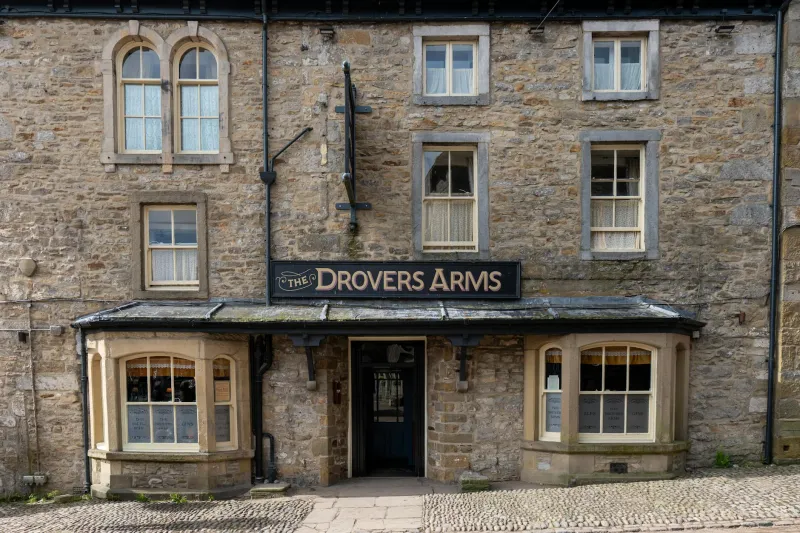
The Great British Pub Exodus
Britain's pub industry has witnessed an unprecedented contraction over the past fifteen years. According to the British Beer and Pub Association, approximately 11,000 public houses have permanently closed since 2008, leaving behind a scattered inventory of substantial buildings in prime locations across villages, market towns, and urban centres.
For property developers, this represents an extraordinary opportunity hidden in plain sight. Former public houses typically occupy corner plots or prominent high-street positions, possess robust structural foundations designed for commercial use, and often come with generous floor areas that exceed those of typical residential properties in the same locations.
Understanding the Development Potential
The architectural DNA of British pubs makes them remarkably adaptable for alternative uses. Most were constructed during the Victorian era or early twentieth century, featuring high ceilings, substantial load-bearing walls, and compartmentalised layouts that translate effectively into residential conversions.
 Photo: Victorian era, via 1.bp.blogspot.com
Consider the typical village pub: ground floor public areas can become open-plan living spaces, whilst former function rooms convert naturally into bedrooms or studies. The traditional pub garden provides immediate outdoor amenity space, often in locations where private gardens are scarce.
Urban pubs present even greater opportunities. Multi-storey properties in city centres can yield multiple residential units, whilst retaining ground-floor commercial space for retail or hospitality uses. The existing change-of-use permissions often streamline planning applications, particularly where the building has been vacant for extended periods.
Navigating Planning Sensitivities
Converting former pubs requires careful consideration of local planning policies and community sentiment. Many local authorities have implemented Article 4 directions specifically to protect remaining public houses, but these typically apply only to operating venues rather than permanently closed establishments.
The key lies in demonstrating that the pub is no longer economically viable as a licensed premises. This requires comprehensive market analysis showing lack of buyer interest, declining trade figures, and evidence of sustained marketing efforts. Planning applications should emphasise how the conversion preserves the building's architectural integrity whilst addressing local housing needs.
Community consultation proves essential. Former pub conversions often face vocal opposition from residents who view them as cultural losses. Successful developers engage early with local stakeholders, explaining how thoughtful conversion preserves the building's heritage whilst preventing dereliction.
Financial Returns and Market Dynamics
The economics of pub conversion can be compelling. Purchase prices for closed pubs often reflect distressed sale conditions, particularly where operators have struggled with business rates, maintenance costs, and declining footfall. This creates opportunities to acquire substantial properties at significant discounts to residential equivalents.
Conversion costs vary considerably depending on the building's condition and intended use. Basic residential conversion might require £400-600 per square foot, whilst boutique hotel or mixed-use schemes could demand £800-1,200 per square foot including fit-out.
However, the end values often justify these investments. Former pubs in desirable locations frequently achieve premium prices due to their unique character, generous proportions, and distinctive architectural features. Period details such as original fireplaces, exposed beams, and stained glass windows command particular market premiums.
Heritage Considerations and Design Approach
Many former pubs occupy listed buildings or sit within conservation areas, requiring specialist heritage expertise. Listed building consent adds complexity and cost, but also creates significant barriers to entry that can protect investment values.
Successful conversions balance heritage preservation with contemporary functionality. External facades should remain largely unchanged, whilst internal layouts can be sensitively reconfigured. Original features like bars, fireplaces, and decorative plasterwork become selling points rather than obstacles.
Some developers retain and repurpose distinctive pub elements creatively. Former bars become kitchen islands, snugs convert to home offices, and traditional signage might be preserved as historical features.
Regional Variations and Opportunities
Pub closure patterns vary significantly across Britain. Rural areas have experienced the steepest decline, with village pubs particularly vulnerable to changing social habits and car-dependent lifestyles. These closures create opportunities in locations where new-build development faces significant planning constraints.
Urban pub closures often reflect changing demographics and leisure preferences rather than fundamental location disadvantages. City centre pubs that struggled with late-night economy pressures can thrive as residential conversions in increasingly popular urban living markets.
Looking Forward
The pub conversion opportunity represents more than simply repurposing redundant buildings. It offers a pathway to preserve architectural heritage whilst addressing Britain's housing shortage, particularly in locations where conventional development faces significant obstacles.
For HMS Developments and similar forward-thinking companies, former pubs represent a unique asset class combining heritage appeal, prime locations, and flexible development potential. Success requires understanding local markets, respecting community concerns, and approaching each conversion with sensitivity to both architectural heritage and contemporary housing needs.
As Britain's pub estate continues evolving, astute developers who can navigate the planning complexities and community sensitivities will find compelling opportunities to create distinctive residential and mixed-use schemes that honour these buildings' historic role whilst securing their future utility.