Reclaiming Britain: The Untold Potential of Previously Developed Land
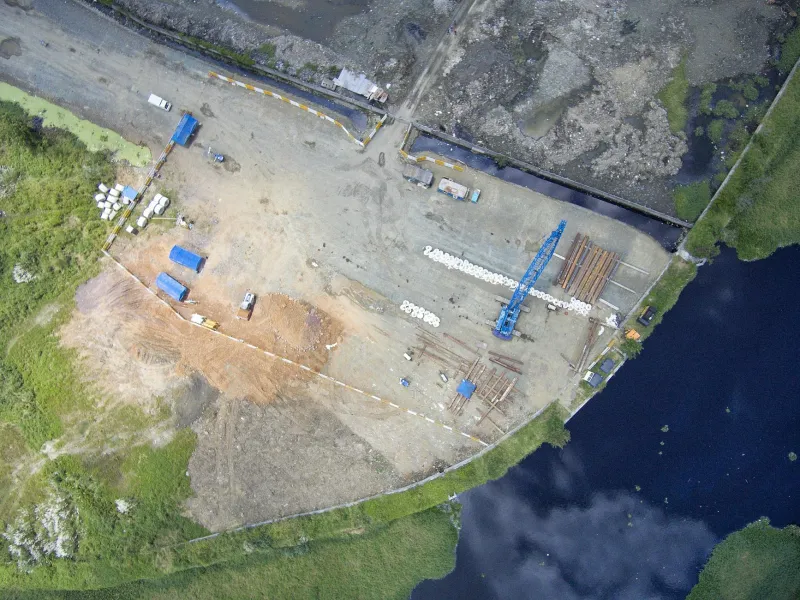
A Nation Built on Transformation
Britain has always been a country of reinvention. From the transformation of Victorian industrial heartlands into modern business districts to the conversion of former docklands into prestigious residential quarters, our ability to breathe new life into forgotten spaces defines our urban landscape. Today, as we grapple with an acute housing crisis that demands the delivery of 300,000 new homes annually, the answer lies not in consuming our remaining countryside, but in reclaiming the land we've already used.
The statistics paint a compelling picture. Government data reveals that England contains approximately 26,000 hectares of brownfield land with planning permission for housing—enough space for over one million homes. Yet despite this abundance, development continues to favour greenfield sites, consuming agricultural land and natural habitats at an alarming rate.
Breaking Down the Barriers
The reluctance to embrace brownfield development stems largely from persistent misconceptions about cost, complexity, and contamination. Many developers view previously developed sites as problematic, assuming that remediation requirements will render projects financially unviable. This perception, whilst understandable, fails to account for the substantial improvements in remediation technology and the generous government incentives now available.
The Brownfield Land Release Fund, established to accelerate development on previously used sites, provides grants of up to £10 million per project. Meanwhile, the Community Infrastructure Levy offers significant reductions for brownfield developments, recognising their contribution to sustainable growth. These financial mechanisms, combined with streamlined planning processes for sites with existing permission, create an increasingly attractive proposition for forward-thinking developers.
The Economics of Regeneration
Contrary to popular belief, brownfield development often proves more economically efficient than greenfield alternatives. Existing infrastructure—roads, utilities, transport links—reduces the substantial costs associated with creating entirely new neighbourhoods. A recent analysis by the Campaign to Protect Rural England found that the average cost of providing infrastructure for greenfield developments exceeds that of brownfield remediation by approximately 40%.
Moreover, brownfield sites typically enjoy superior connectivity to employment centres, reducing residents' commuting costs and supporting local economies. The regeneration of Manchester's Ancoats district exemplifies this principle perfectly. Once a collection of abandoned mills and warehouses, this former industrial quarter now houses thriving residential communities within walking distance of the city centre, commanding premium values whilst contributing to urban vitality.
Environmental Imperatives
The environmental case for prioritising brownfield land extends far beyond simple conservation arithmetic. Previously developed sites often harbour surprising biodiversity, with nature having reclaimed abandoned spaces over decades. Responsible regeneration can enhance rather than diminish these ecological assets, creating green corridors and sustainable drainage systems that benefit both wildlife and residents.
Soil remediation, far from being an environmental burden, actively improves land quality and removes potential contamination risks. Modern techniques can transform heavily polluted industrial sites into healthy environments suitable for residential use, effectively healing the scars left by previous generations of development.
Planning Reform and Opportunity
Recent planning reforms have fundamentally altered the landscape for brownfield development. The introduction of Permission in Principle for sites on the Brownfield Land Register provides developers with unprecedented certainty, reducing both risk and timescales. This streamlined approach recognises that previously developed land represents our most sustainable path to housing delivery.
Local authorities increasingly view brownfield regeneration as essential to their housing strategies. Birmingham's comprehensive brownfield programme aims to deliver 51,100 new homes on previously developed sites by 2031, whilst Liverpool has identified capacity for 38,000 homes on brownfield land within the city boundaries.
Learning from Success
Across Britain, exemplary brownfield projects demonstrate the transformative potential of previously developed land. London's King's Cross regeneration converted 67 acres of post-industrial wasteland into a thriving mixed-use district housing 2,000 new homes alongside commercial and cultural facilities. The project's success stems from its holistic approach, treating remediation not as an obstacle but as an opportunity to create something genuinely exceptional.
Similarly, the transformation of Sheffield's Park Hill estate—once a symbol of failed social housing—into an award-winning residential development showcases how sensitive regeneration can preserve architectural heritage whilst meeting contemporary housing needs. These projects prove that brownfield development need not compromise on quality or ambition.
The Path Forward
Britain's housing crisis demands bold thinking and decisive action. Whilst the temptation to pursue greenfield sites may seem simpler, our long-term prosperity depends on making better use of land we've already developed. The technology exists to remediate contaminated sites safely and cost-effectively. The government incentives provide substantial financial support. The planning framework increasingly favours brownfield development.
What remains is the will to embrace these opportunities. For developers willing to look beyond conventional approaches, brownfield sites offer the chance to create exceptional places whilst contributing meaningfully to Britain's housing needs. The question facing our industry isn't whether we can afford to prioritise previously developed land—it's whether we can afford not to.
The future of British housing lies not in consuming our remaining green spaces, but in reclaiming our industrial past. In doing so, we honour both our heritage and our responsibility to future generations, building communities that enhance rather than diminish the places they inhabit.