The Orchestra of Construction: Inside the Daily Symphony of a British Building Site
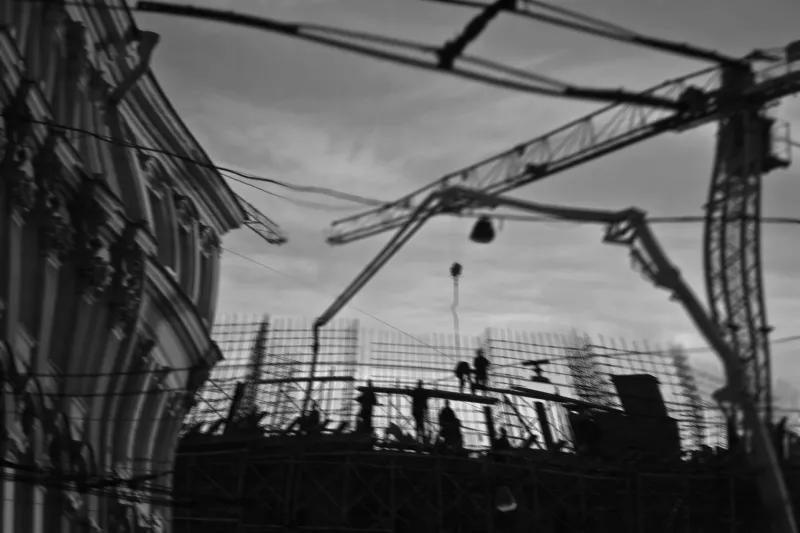
The Dawn Chorus of British Construction
As the first light breaks across Manchester's skyline at 6:30 AM, the construction site that will soon house 120 new homes is already stirring to life. Site manager Claire Thompson arrives with her thermos of tea and weathered clipboard, conducting her morning ritual of inspecting yesterday's progress whilst the city sleeps. This daily pilgrimage across mud-caked ground represents just one small moment in the intricate ballet that transforms empty plots into thriving communities.
For most prospective buyers and investors, the construction phase remains an enigma—a mysterious period between signing contracts and collecting keys. Yet within these temporary kingdoms of scaffolding and cement mixers, Britain's housing future takes shape through the skilled hands of craftspeople whose expertise spans generations.
The Foundation Maestros
Deep beneath what will eventually become elegant Georgian-inspired terraces, groundworks contractor Mark Stevens guides his excavator with surgical precision. "People think we just dig holes," he explains during a brief respite, "but we're creating the skeleton that everything else depends on." His team has spent three weeks carefully excavating and preparing foundations, working around Victorian-era service pipes and unexpected archaeological finds that required delicate negotiation with local heritage officers.
The groundworks phase represents construction's most critical yet least visible achievement. Stevens and his crew must navigate complex drainage systems, install utility connections, and create perfectly level platforms—all whilst battling Britain's unpredictable weather. Their work determines whether future residents will face flooding issues or structural problems decades hence.
Structural Poetry in Steel and Concrete
By 9 AM, the site transforms into a symphony of controlled chaos. Crane operator Jenny Walsh operates her 40-metre tower crane with balletic grace, lifting precast concrete panels that will form the building's structural frame. From her elevated cabin, she commands a bird's-eye view of the entire operation, coordinating with ground crews through radio chatter that resembles air traffic control more than traditional construction dialogue.
"Every lift is calculated to the kilogram," Walsh explains during her lunch break. "We're not just moving materials—we're assembling a three-dimensional puzzle where every piece must fit perfectly." Her fifteen years of experience show in the fluid movements of her crane, which appears to dance rather than lumber across the site.
The structural team works with millimetre precision, ensuring each concrete panel aligns perfectly with architectural specifications. These moments represent the transition from theoretical drawings to physical reality, where engineering calculations become tangible walls that will shelter families for generations.
The Artisans of Modern Britain
As walls rise skyward, specialist tradespeople arrive in carefully choreographed sequences. Electrician David Kumar threads cables through structural cavities that will soon disappear behind plasterboard, whilst plumber Sarah Mitchell installs underfloor heating systems that represent the invisible luxury of contemporary British homes.
"We're creating the nervous system of the building," Kumar explains, holding up complex wiring diagrams that map every socket, switch, and smart home connection. His work must anticipate how families will live in these spaces—from charging electric vehicles to powering home offices that have become essential in post-pandemic Britain.
Mitchell's expertise extends beyond basic plumbing to encompass sustainable technologies that reduce environmental impact. Heat pumps, rainwater harvesting systems, and high-efficiency boilers represent the technical evolution of British construction, where traditional craftsmanship meets environmental responsibility.
Quality Control: The Unsung Heroes
Building control inspector Rachel Green arrives unannounced on Thursday morning, armed with measuring instruments and an encyclopaedic knowledge of British building regulations. Her presence triggers a subtle shift in site dynamics—not from fear, but from professional respect for the standards that protect future occupants.
"We're the guardians of quality," Green explains whilst checking insulation thickness and ventilation rates. "Every inspection represents a promise to families who will call these houses home." Her meticulous documentation ensures compliance with increasingly stringent energy efficiency requirements and accessibility standards.
These regulatory checkpoints, whilst sometimes causing temporary delays, ultimately guarantee that British construction maintains its reputation for durability and safety. Green's approval stamps represent invisible quality assurances that distinguish professionally developed properties from less scrupulous alternatives.
The Human Element Behind the Machinery
Beyond technical expertise lies the human dimension that transforms construction sites from industrial operations into communities of shared purpose. Site canteen conversations reveal deep pride in craftsmanship, where veteran tradespeople mentor apprentices carrying forward centuries-old traditions adapted for contemporary challenges.
Project manager Thompson orchestrates these diverse talents through careful scheduling and clear communication. Her daily briefings address safety concerns, coordinate material deliveries, and maintain the delicate balance between quality and timeline pressures that define successful developments.
"We're not just building houses," Thompson reflects whilst surveying the afternoon's progress. "We're creating the places where children will take their first steps, where families will celebrate Christmas mornings, where communities will flourish."
The Final Symphony Movement
As completion approaches, the site's character transforms once again. Landscaping teams arrive to soften harsh construction edges with carefully selected native plants, whilst final inspection teams conduct exhaustive quality checks that scrutinise every detail from door handles to roof tiles.
This culmination represents months of coordinated effort where individual expertise combines to create something greater than its constituent parts. The families who will eventually unlock their front doors remain unaware of the dedication, skill, and passion that shaped their new homes.
For those considering property investment or development partnerships, understanding this human dimension provides crucial insight into what separates exceptional developments from merely adequate ones. Behind every successful British property development lies an orchestra of skilled professionals whose commitment to excellence shapes communities for generations to come.