Liquid Assets: Britain's Canals Emerge as Premium Development Corridors
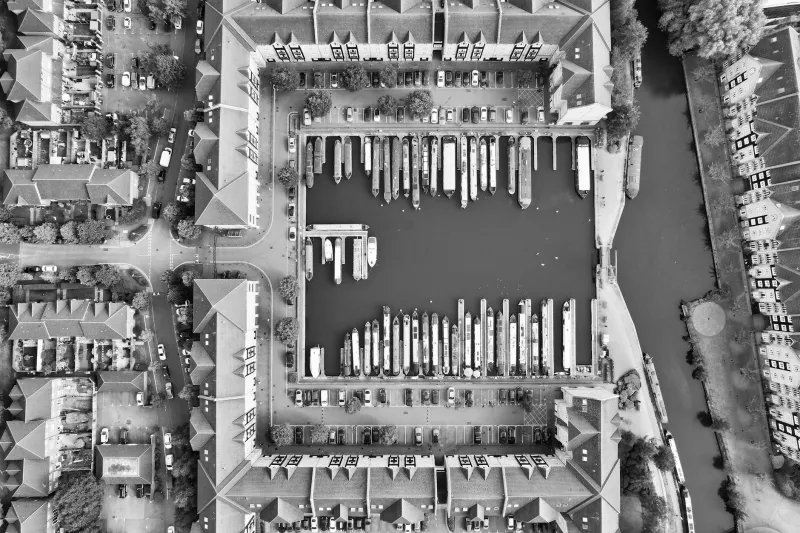
The Waterway Renaissance Reshaping British Cities
Britain's canal network, once the arteries of industrial revolution, is experiencing an extraordinary renaissance as premium residential and commercial development corridors. What began as utilitarian transportation infrastructure has evolved into some of the most coveted real estate frontage in the country, commanding significant premiums over comparable inland sites.
This transformation reflects fundamental shifts in how Britain works and lives. The normalisation of remote working has liberated location choices from traditional employment centres, while growing environmental consciousness and lifestyle priorities favour characterful urban environments over suburban uniformity. Canals, with their unique combination of central location and natural tranquillity, perfectly capture these evolving preferences.
The Canal and River Trust reports that waterside properties consistently achieve 15-25% premiums over equivalent inland developments, with the strongest performance in cities where canal networks provide genuine connectivity and recreational value. This premium reflects not just aesthetic appeal but the practical benefits of waterside living: established transport links, mature landscaping, and protected views that cannot be built out.
Investment Geography: Mapping Opportunity
Not all canal locations offer equal investment potential. The strongest opportunities concentrate in cities where waterways provide genuine connectivity between commercial centres and residential neighbourhoods, rather than isolated pockets of water surrounded by industrial wasteland.
Birmingham's canal network exemplifies this potential. The city boasts more miles of canal than Venice, threading through the commercial centre and connecting established residential areas. Recent developments around Gas Street Basin and the Mailbox have demonstrated the commercial viability of high-density canalside living, with apartments achieving £400-£500 per square foot—comparable to premium city centre locations.
Manchester's canal corridors present similar opportunities, particularly around the Castlefield basin where Victorian warehouses have been successfully converted to residential use. The combination of heritage architecture and waterside location creates distinctive developments that command substantial premiums over new-build alternatives in less characterful locations.
London's canal network, from Regent's Canal through Camden to Little Venice, represents the most mature and expensive canalside market in Britain. While entry costs are prohibitive for many developers, the sustained demand and limited supply continue to drive exceptional returns for those able to secure waterside sites.
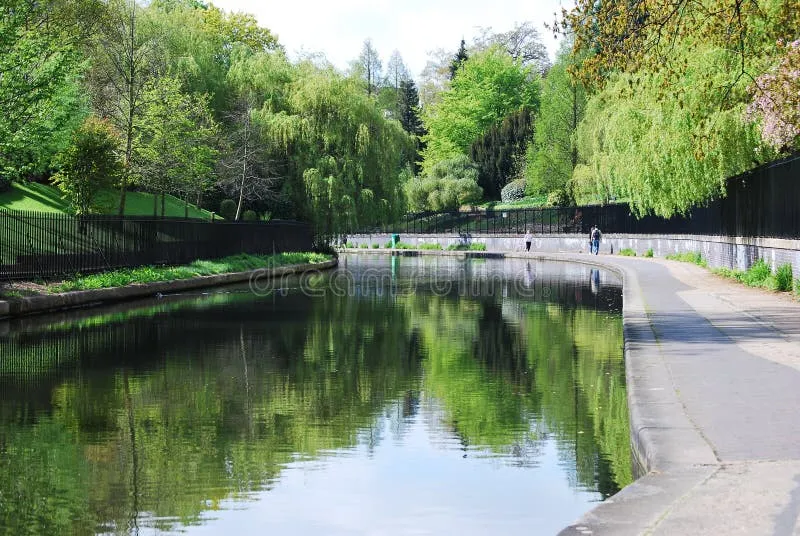 Photo: Regent's Canal, via thumbs.dreamstime.com
Regulatory Navigation: Planning and Environmental Considerations
Developing alongside Britain's canal network requires sophisticated understanding of multiple regulatory frameworks. The Canal and River Trust, as both landowner and navigation authority, maintains strict controls over developments that might impact waterway character or functionality. These restrictions, while sometimes frustrating for developers, ultimately protect the asset values that make canalside development attractive.
Environmental considerations prove particularly complex. Many canal corridors support protected wildlife habitats, requiring detailed ecological assessments and mitigation measures that can significantly impact development timelines and costs. However, these same environmental protections ensure the long-term preservation of the natural amenities that drive property values.
Flood risk assessment represents another crucial consideration. While canals are engineered waterways with controlled water levels, climate change and extreme weather events require careful evaluation of flood resilience. Properties in flood zones face additional insurance costs and planning restrictions that can impact both development viability and end-user appeal.
Conservation area designations covering many historic canal corridors impose additional design constraints, requiring careful balance between contemporary living standards and heritage preservation. Successful developments typically embrace rather than fight these constraints, using heritage features as design inspiration rather than obstacles.
The Mixed-Use Advantage
Canalside developments achieve optimal returns when they embrace mixed-use programming rather than purely residential approaches. The linear nature of canal corridors naturally supports ground-floor commercial uses—cafes, galleries, and creative workspace—that enhance the vibrancy and investment appeal of residential components above.
This mixed-use approach aligns with broader urban planning trends favouring walkable, self-contained neighbourhoods over single-use residential estates. Canalside locations, with their existing pedestrian and cycling infrastructure, prove ideally suited to car-free or car-light living that appeals to environmentally conscious urban professionals.
The hospitality sector has proven particularly successful in canal locations. Waterside restaurants and bars benefit from unique settings that justify premium pricing, while their presence enhances the appeal of adjacent residential developments. This symbiotic relationship creates value for both commercial and residential components that exceeds the sum of individual parts.
Partnership Models and Development Finance
The Canal and River Trust has evolved sophisticated partnership models that balance commercial development with heritage preservation and public access. These partnerships typically involve long leasehold arrangements that provide developers with sufficient security for major investment while maintaining Trust ownership of strategic waterway assets.
Joint venture structures prove particularly effective for larger regeneration schemes, combining developer expertise and capital with Trust knowledge of waterway management and community engagement. The Trust's not-for-profit status and conservation mandate can also unlock grant funding and tax reliefs unavailable to purely commercial developments.
Specialist lenders increasingly recognise canalside development as a distinct asset class with proven track record of outperformance. This recognition has improved funding availability and reduced the premium that developers previously paid for waterside projects. Forward-funding from institutional investors seeking exposure to alternative real estate sectors provides additional capital sources for ambitious schemes.
Technology and Sustainability Integration
Modern canalside developments increasingly incorporate water-source heat pumps and other technologies that utilise the thermal mass and consistent temperature of canal water for energy efficiency. These systems can significantly reduce operational costs while enhancing environmental credentials that appeal to sustainability-conscious occupiers.
Smart building technology proves particularly valuable in canalside locations, where residents often prioritise lifestyle and convenience over traditional space requirements. Integrated systems controlling lighting, heating, and security allow smaller apartments to deliver superior living experiences that justify premium pricing.
Sustainable drainage systems (SuDS) can be elegantly integrated with canalside landscapes, managing surface water runoff while creating attractive amenity spaces. These features demonstrate environmental responsibility while reducing long-term maintenance costs and flood risk.
Future Pipeline and Market Maturation
The canalside development market remains relatively immature compared to traditional residential sectors, suggesting significant opportunities for developers who can master its complexities. Major regeneration schemes in cities like Leeds, Nottingham, and Glasgow are beginning to unlock the potential of previously overlooked waterway corridors.
The post-pandemic shift towards lifestyle-focused location choices appears structural rather than cyclical, supporting long-term demand for distinctive residential environments like canalside developments. As remote working becomes permanently embedded in British business culture, the premium attached to characterful locations over proximity to employment centres seems likely to persist.
Climate change adaptation strategies increasingly emphasise blue-green infrastructure and urban cooling, positioning canal corridors as valuable environmental assets for future city planning. This strategic importance provides additional protection for waterway environments and supports sustained investment in canalside regeneration.
For developers seeking differentiated opportunities in Britain's competitive residential market, canal corridors represent one of the few remaining frontages capable of delivering both distinctive product and sustained premiums. The combination of heritage character, central location, and lifestyle appeal creates compelling investment propositions for those willing to navigate the regulatory and technical complexities of waterside development.