From Shop Floor to Living Room: Britain's High Street Housing Revolution
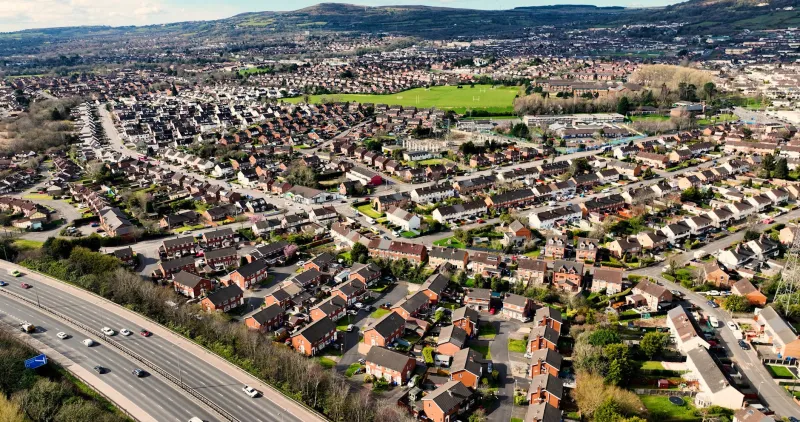
The transformation of Britain's high streets from commercial heartlands to residential communities represents one of the most significant shifts in urban development since post-war reconstruction. As retail vacancy rates soar beyond 14% nationally, property developers are discovering extraordinary opportunities within the shells of former department stores, banks, and retail chains that once defined our town centres.
The Economics of Adaptive Reuse
Conversion projects typically cost 20-30% less than equivalent new-build developments, making them attractive propositions for developers seeking strong margins whilst contributing to urban regeneration. The structural integrity of many commercial buildings, particularly those constructed in the mid-20th century, often exceeds residential requirements, providing robust foundations for transformation.
Permitted Development Rights, introduced in 2013 and expanded in subsequent years, have streamlined the conversion process for many projects. These regulations allow developers to bypass traditional planning applications for office-to-residential conversions, reducing timeframes from years to months. However, retail-to-residential conversions still require full planning consent, creating opportunities for developers who understand the complexities of local authority requirements.
Design Innovation in Constrained Spaces
The challenge of converting retail spaces into desirable homes has sparked remarkable innovation in British architecture and design. Former Woolworths stores across the country have been transformed into apartment complexes, with developers maximising natural light through creative use of existing shop fronts and strategic installation of lightwells.
In Canterbury, the conversion of a former Debenhams department store into 186 apartments demonstrates how large-format retail spaces can accommodate diverse residential typologies. The project retained the building's Art Deco facade whilst creating everything from studio apartments to three-bedroom family units, complete with communal gardens and commercial space at ground level.
Mixed-Use Models Drive Community Revival
The most successful high street conversions embrace mixed-use development principles, combining residential accommodation with retail, office, and community spaces. This approach addresses local authority concerns about creating 'dead' residential zones whilst ensuring commercial viability through diversified revenue streams.
In Stockport, the transformation of the former Co-operative department store into Stockport Exchange exemplifies this model. The £32 million development combines apartments with flexible workspace, independent retailers, and community facilities, creating a vibrant urban quarter that operates throughout the day and evening.
Funding Mechanisms and Investment Returns
High street conversions attract diverse funding sources, from traditional development finance to innovative structures involving local authorities and community investment vehicles. The government's High Streets Task Force and various regeneration funds provide additional support for projects demonstrating clear community benefits.
Investment returns vary significantly based on location and execution quality, but successful projects typically generate yields of 6-8% for rental schemes and gross development values 15-25% above acquisition and conversion costs for sales-focused developments. The key lies in understanding local market dynamics and selecting buildings with appropriate structural characteristics.
Regulatory Landscape and Planning Considerations
Navigating the planning system for high street conversions requires careful attention to conservation requirements, particularly in historic town centres. Many former retail buildings sit within conservation areas or hold listed status, adding complexity but also potential for enhanced values through heritage-led regeneration.
Local authorities increasingly view high street conversions favourably, recognising their role in addressing housing shortages whilst maintaining urban vitality. However, developers must demonstrate adequate parking provision, waste management solutions, and consideration of noise issues when converting from commercial to residential use.
Market Demand and Demographic Trends
The appeal of high street living extends beyond traditional urban dwellers to include young professionals, downsizers, and families seeking walkable communities with established infrastructure. Research indicates that 67% of millennials prefer living in areas with easy access to shops, restaurants, and public transport – precisely what converted high street developments offer.
Rental demand for high street conversions consistently outperforms suburban alternatives in many markets, with tenants valuing the convenience and community atmosphere these developments provide. This trend supports the build-to-rent model, with several major operators now actively seeking high street conversion opportunities.
Future Prospects and Strategic Considerations
The high street conversion trend shows no signs of slowing, with an estimated 3,000 retail units across Britain currently under consideration for residential conversion. Success requires careful site selection, understanding of local planning dynamics, and recognition that each building presents unique challenges and opportunities.
For investors and developers, high street conversions represent a compelling intersection of urban regeneration, housing delivery, and commercial opportunity. As Britain continues to grapple with housing shortages and evolving retail patterns, these projects offer a sustainable path forward that honours our architectural heritage whilst creating the communities of tomorrow.
The transformation of Britain's high streets from retail destinations to residential communities reflects broader changes in how we live, work, and interact with our urban environments. For developers willing to embrace the complexities and opportunities these projects present, the rewards extend far beyond financial returns to include meaningful contributions to Britain's urban renaissance.