The Energy Revolution: How Performance Standards Are Reshaping Development Economics Across Britain
The Regulatory Landscape
Britain's property development sector faces unprecedented transformation as energy performance requirements reshape every aspect of the development process. The impending Future Homes Standard, combined with increasingly stringent EPC requirements and mortgage lender scrutiny, demands fundamental reconsideration of established development practices.
This regulatory evolution extends far beyond simple compliance obligations. Energy performance is becoming a primary value driver, influencing buyer behaviour, mortgage availability, and long-term asset performance in ways that fundamentally alter development economics.
The shift represents more than incremental change; it constitutes a complete reimagining of how buildings perform throughout their operational lifecycle, with implications for design, specification, construction methodology, and investment returns.
Financial Implications
The economic impact of enhanced energy performance requirements manifests across multiple development phases. Initial land appraisal must now incorporate substantially higher build costs, as traditional construction approaches prove inadequate for meeting new performance thresholds.
Heat pump installation, enhanced insulation specifications, and renewable energy integration typically add 8-12% to construction costs compared with conventional gas boiler systems. However, these additional costs must be weighed against emerging premium pricing opportunities for energy-efficient properties.
Mortgage lenders are increasingly factoring energy performance into lending decisions, with some institutions offering preferential rates for high-EPC properties whilst restricting lending on poor-performing assets. This dynamic creates both opportunity and risk for developers, depending on their approach to energy specification.
Design Revolution
Fabric-first design principles are becoming essential rather than optional for new developments. This approach prioritises building envelope performance through enhanced insulation, improved airtightness, and optimised glazing specifications before considering mechanical systems.
The design implications extend to site layout and building orientation, with solar gain optimisation and natural ventilation strategies becoming critical considerations. These factors influence everything from plot density to apartment configuration, requiring early integration into masterplanning processes.
Architectural teams must now balance aesthetic considerations with thermal performance requirements, creating opportunities for innovative design solutions that achieve both visual appeal and energy efficiency. The most successful schemes integrate these requirements seamlessly rather than treating them as competing priorities.
Technology Integration
Modern energy performance standards necessitate sophisticated building systems that extend far beyond traditional heating provision. Smart home technology, energy monitoring systems, and automated environmental controls are becoming standard specifications rather than premium options.
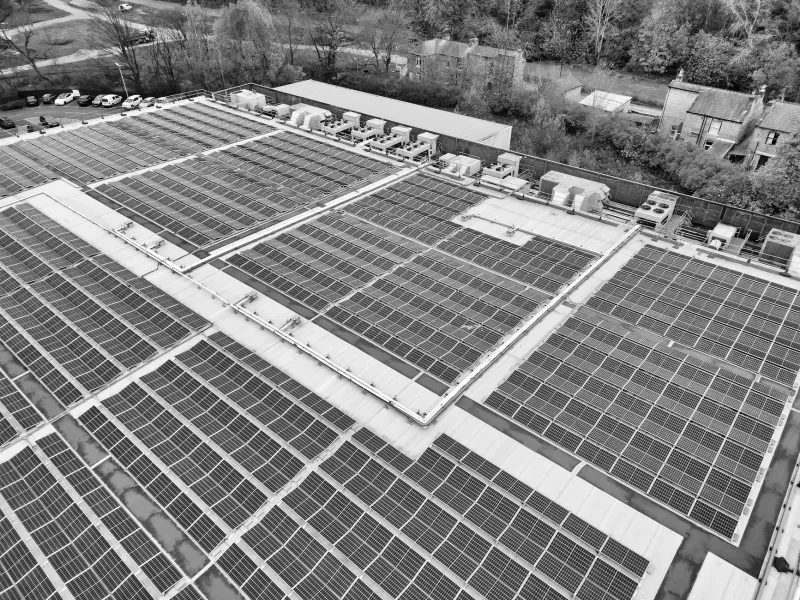
Renewable energy integration, particularly solar panel arrays and battery storage systems, requires careful planning coordination to ensure optimal performance whilst maintaining architectural integrity. These systems increasingly influence roof design, structural loading calculations, and electrical infrastructure provision.
Heat pump technology selection demands detailed analysis of site conditions, building orientation, and local energy infrastructure. Air source heat pumps offer installation simplicity but require careful acoustic consideration, whilst ground source systems deliver superior efficiency but involve higher capital costs and complex installation requirements.
Market Differentiation
Energy performance is emerging as a primary market differentiator, with buyers increasingly prioritising running cost considerations alongside traditional location and specification factors. Properties achieving A or B EPC ratings command measurable sales premiums whilst benefiting from accelerated sales velocities.
Marketing strategies must now emphasise energy performance benefits, including projected running costs, environmental credentials, and future-proofing against regulatory changes. Buyers demonstrate growing sophistication in evaluating these factors, particularly first-time buyers facing affordability pressures.
The rental market shows even stronger preference for energy-efficient properties, with tenants willing to pay premium rents for lower utility costs. This dynamic particularly benefits build-to-rent developers who can capture ongoing rental premiums whilst reducing void periods through enhanced tenant satisfaction.
Commercial Implications
Commercial developments face parallel challenges as businesses increasingly prioritise operational cost efficiency and environmental credentials. Office buildings achieving superior energy performance ratings attract premium tenants whilst commanding higher rental rates and improved lease terms.
Refurbishment projects present particular complexity, as existing building constraints limit achievable performance improvements. However, successful energy upgrades can transform previously obsolete assets into premium accommodation, creating substantial value uplift opportunities.
The commercial sector's focus on Environmental, Social, and Governance (ESG) criteria intensifies demand for high-performance buildings, creating competitive advantages for developments that exceed minimum regulatory requirements.
Construction Methodology
Energy performance requirements are driving fundamental changes in construction methodology. Traditional building techniques often prove inadequate for achieving required airtightness levels, necessitating enhanced quality control and specialist installation techniques.
Off-site construction methods increasingly appeal to developers seeking consistent energy performance whilst reducing on-site construction risks. Factory-controlled environments enable precise installation of insulation systems and building services, improving both quality and performance predictability.
Construction sequencing requires careful coordination to protect energy performance elements during the building process. Temporary heating strategies, moisture management, and protection of insulation systems become critical factors in maintaining design performance levels.
Long-term Value Creation
Properties designed to exceed current energy performance requirements demonstrate superior resilience to future regulatory changes, protecting long-term asset values whilst reducing obsolescence risks. This future-proofing creates compelling value propositions for both investors and owner-occupiers.
Operational cost advantages compound over time, with energy-efficient properties maintaining competitive advantages as utility costs continue rising. These savings translate directly into affordability benefits for residents whilst enhancing investment returns for landlords.
The growing correlation between energy performance and property values suggests that superior specifications represent investment in long-term asset performance rather than simple compliance costs.
Strategic Positioning
Developers who embrace energy performance as a competitive differentiator rather than regulatory burden position themselves advantageously in evolving markets. Early adoption of advanced energy technologies and design approaches creates learning advantages that inform future project development.
Partnerships with specialist energy consultants, renewable technology providers, and performance monitoring services become increasingly valuable as energy considerations influence every aspect of development delivery.
The transformation of energy performance from compliance obligation to value driver represents a fundamental shift in development economics, rewarding innovation whilst penalising conventional approaches that fail to anticipate changing market demands.