Steel, Glass, and Heritage: The Art of Developing Sensitively Within Britain's Conservation Areas
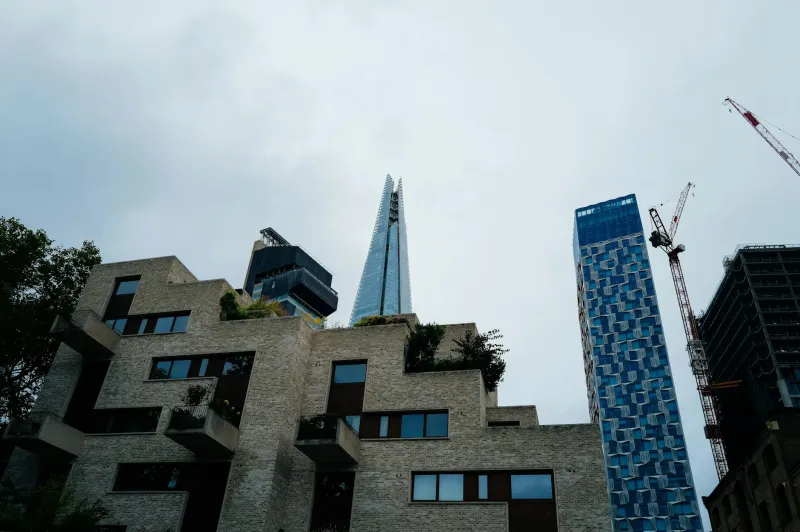
Steel, Glass, and Heritage: The Art of Developing Sensitively Within Britain's Conservation Areas
Britain's conservation areas represent both the nation's architectural heritage and some of its most challenging development opportunities. With over 9,000 designated conservation areas across England alone, developers frequently encounter these historically sensitive zones where strict aesthetic controls meet genuine market premiums for period character.
Understanding the Conservation Framework
Conservation area designation doesn't prohibit development—it demands excellence. Local planning authorities possess enhanced powers to control alterations, extensions, and new builds within these zones, but successful schemes that demonstrate sensitivity to local character often receive enthusiastic support from both planners and communities.
The key lies in understanding that conservation area consent operates on principles of enhancement rather than preservation. Developments that improve the area's character whilst respecting its historic context can achieve planning approval even when proposing contemporary architectural solutions.
The Premium Principle
Market data consistently demonstrates that properties within well-maintained conservation areas command premiums of 15-25% above comparable properties in non-designated areas. This premium reflects more than mere scarcity; it represents genuine buyer preference for the quality of environment that conservation area designation typically protects.
Consider the transformation of London's King's Cross Conservation Area, where contemporary developments by Argent have achieved some of the capital's highest residential values whilst respecting the area's industrial heritage. The success stems from architectural solutions that complement rather than compete with existing buildings.
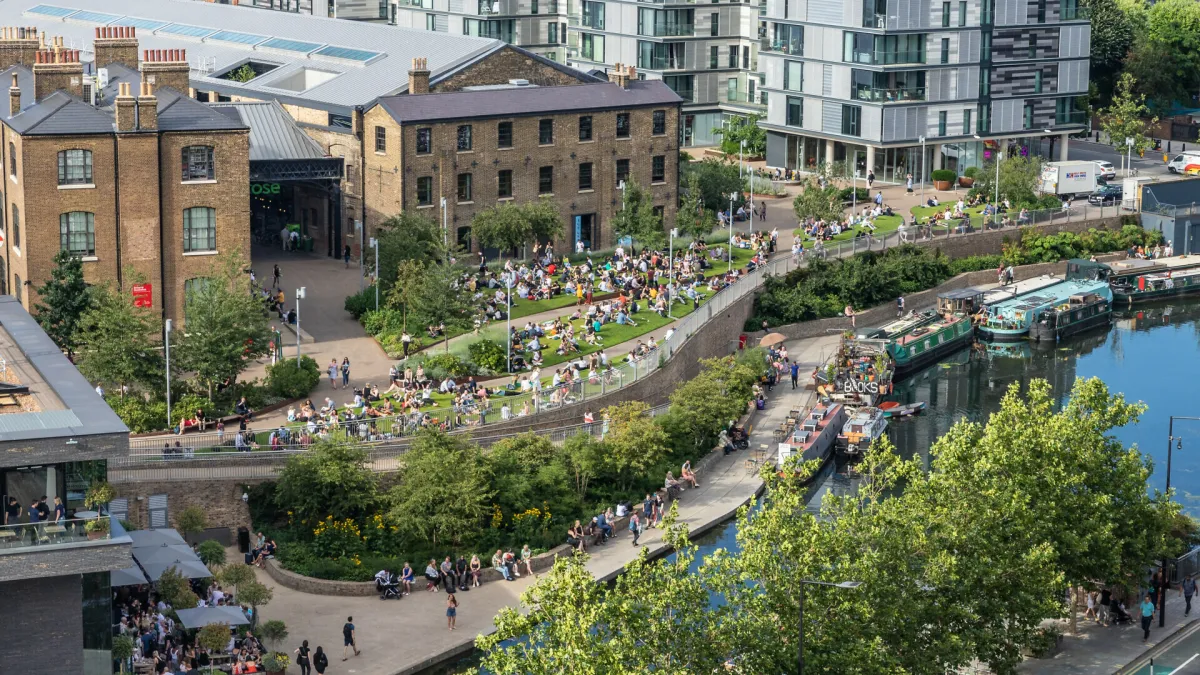 Photo: King's Cross Conservation Area, via www.kingscross.co.uk
Strategies for Success
Successful conservation area development requires early engagement with heritage officers and local amenity societies. These stakeholders possess intimate knowledge of local architectural traditions and can provide invaluable guidance on acceptable design approaches.
Material selection proves crucial in conservation contexts. Traditional materials such as London stock brick, Yorkshire stone, or Welsh slate often receive favourable consideration, but contemporary alternatives that achieve similar visual effects can also succeed when properly justified. The focus should be on achieving harmony of scale, proportion, and texture rather than literal historical replication.
Case Study: Bath's Contemporary Success
Bath's conservation area, protected by UNESCO World Heritage status, represents one of Britain's most restrictive development environments. Yet recent schemes demonstrate how contemporary architecture can thrive within historical constraints.
The city's new residential developments along the Riverside achieve market-leading values by employing Bath stone facades with contemporary glazing systems that respect traditional window proportions whilst delivering modern thermal performance. These schemes command premiums exceeding 30% above comparable developments outside the conservation area.
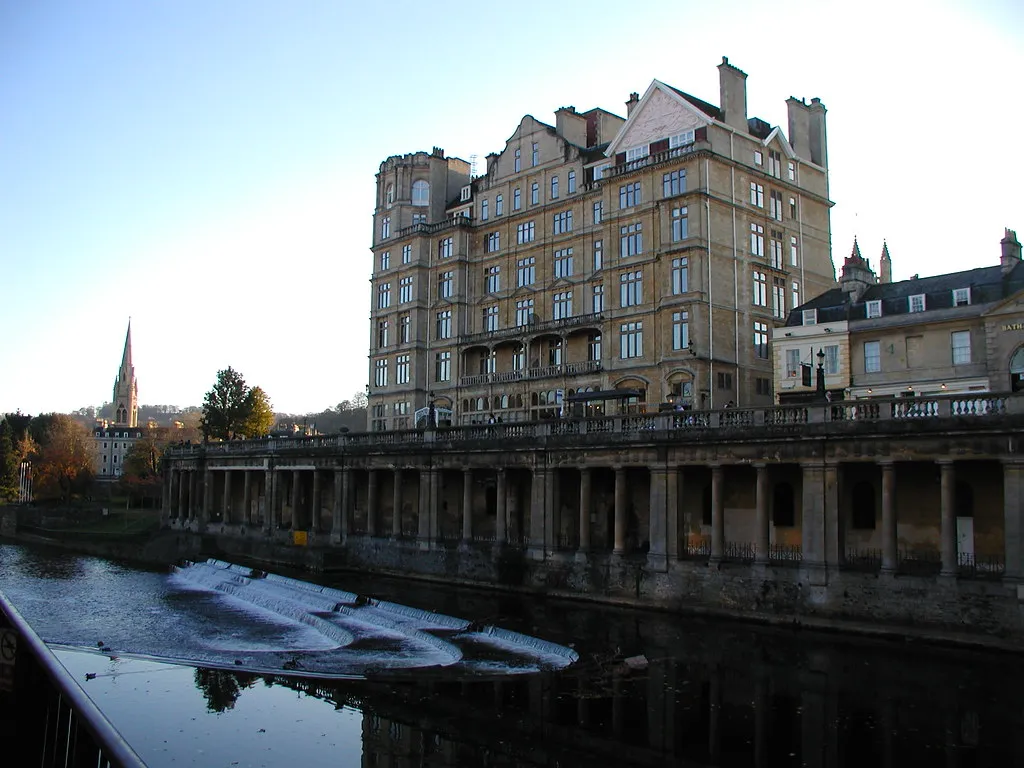 Photo: Bath's Riverside, via bit.ly
Navigating the Planning Process
Conservation area applications require enhanced documentation, including heritage statements that demonstrate understanding of local character and design statements that justify proposed interventions. This additional work increases upfront costs but reduces the risk of refusal and subsequent appeals.
Pre-application discussions prove particularly valuable in conservation contexts. Planning officers and heritage specialists can provide early guidance on acceptable design approaches, potentially saving months of revision and resubmission. The additional consultation fees represent sound investment when weighed against the costs of planning delays.
Modern Techniques, Traditional Appearance
Contemporary construction techniques can achieve traditional appearances whilst delivering superior performance. Structural glazing systems can replicate Georgian window proportions, whilst modern insulation techniques can be concealed behind traditional facade materials.
The most successful schemes employ what heritage professionals term 'honest contemporary' approaches—clearly modern interventions that respect their context without attempting pastiche reproduction. Glass link buildings, contemporary roof extensions set back from street frontages, and modern insertions within traditional courtyards often receive positive reception when properly designed.
Financial Considerations
Conservation area development typically involves 10-20% additional costs compared to standard schemes. These arise from enhanced planning requirements, premium materials, specialist craftspeople, and extended approval timescales. However, successful schemes often achieve sufficient value premiums to justify these additional investments.
The key lies in accurate cost planning that accounts for conservation-specific requirements from project inception. Developers who treat heritage considerations as afterthoughts invariably encounter budget overruns and programme delays.
The Skills Premium
Conservation area development demands specialist expertise that commands premium fees but delivers superior outcomes. Architects with heritage experience, conservation engineers, and specialist craftspeople understand the technical and aesthetic requirements for successful conservation area schemes.
This expertise proves particularly valuable when dealing with listed buildings within conservation areas, where additional statutory protections create complex overlapping requirements. The most successful conservation area developers maintain relationships with specialists who understand both technical requirements and local planning preferences.
Market Reality Check
Whilst conservation areas offer premium potential, they're not universally profitable. Success depends on matching development ambition to local market conditions and heritage significance. Grade I listed buildings in remote conservation areas may offer prestige but limited commercial returns, whilst Grade II listed buildings in prime conservation areas can deliver exceptional profits to skilled developers.
The most successful conservation area developments recognise that heritage compliance and commercial success are complementary rather than competing objectives. Schemes that genuinely enhance their conservation areas whilst delivering modern functionality consistently outperform developments that treat heritage requirements as obstacles to overcome.
Conclusion: Heritage as Investment Strategy
Britain's conservation areas represent mature investment opportunities for developers willing to embrace complexity in pursuit of premium returns. The additional planning requirements, specialist costs, and extended timescales are real, but so are the market premiums commanded by successful schemes.
The most successful conservation area developers approach heritage not as constraint but as competitive advantage, creating developments that command premium values precisely because they enhance rather than compromise their historic contexts. In an increasingly homogeneous development landscape, conservation areas offer opportunities to create genuinely distinctive schemes that justify exceptional values through exceptional quality.