Designing for Approval: How Contemporary Architecture Can Navigate Britain's Conservative Planning Landscape

The Heritage Trap That Stifles Innovation
Walk through any British town centre and the evidence is unmistakable: decades of planning decisions have created a pastiche landscape where genuine historical buildings sit alongside sanitised imitations, while truly contemporary architecture remains conspicuously absent. This phenomenon reflects the deep-seated conservatism of local planning committees, who consistently favour familiar forms over architectural innovation.
The preference for 'heritage-friendly' design has created what critics term 'architectural apartheid'—a planning environment where contemporary buildings are systematically excluded from historic contexts, regardless of their quality or appropriateness. This approach ignores the reality that every generation has added its own architectural voice to Britain's built environment, from Georgian terraces to Victorian warehouses to Art Deco cinemas.
Planning officers, operating within risk-averse local authorities, naturally gravitate towards applications that minimise controversy. A Georgian pastiche may lack authenticity, but it rarely provokes the public outcry that can accompany genuinely contemporary proposals. This institutional bias towards the familiar creates a systematic disadvantage for innovative design.
The Economics of Architectural Courage
Developers face a fundamental commercial tension when considering contemporary design. Planning approval represents the critical gateway to project viability, and the perceived risk of refusal can push even progressive developers towards safer, more conventional approaches. The financial cost of planning delays or appeals can easily exceed any premium that distinctive architecture might command.
However, emerging evidence suggests that this risk-reward calculation may be fundamentally flawed. Contemporary buildings that successfully navigate the planning process often achieve significant premiums in both sales and rental markets, as discerning occupiers increasingly seek distinctive environments over generic accommodation.
The commercial success of developments like London's Tate Modern apartments or Manchester's Beetham Tower demonstrates that architectural ambition, when properly executed, can translate directly into enhanced asset values. These projects succeeded not despite their contemporary design, but because of it, attracting buyers and tenants willing to pay substantial premiums for architectural distinction.
 Photo: Beetham Tower, via avccxlqtlq.cloudimg.io
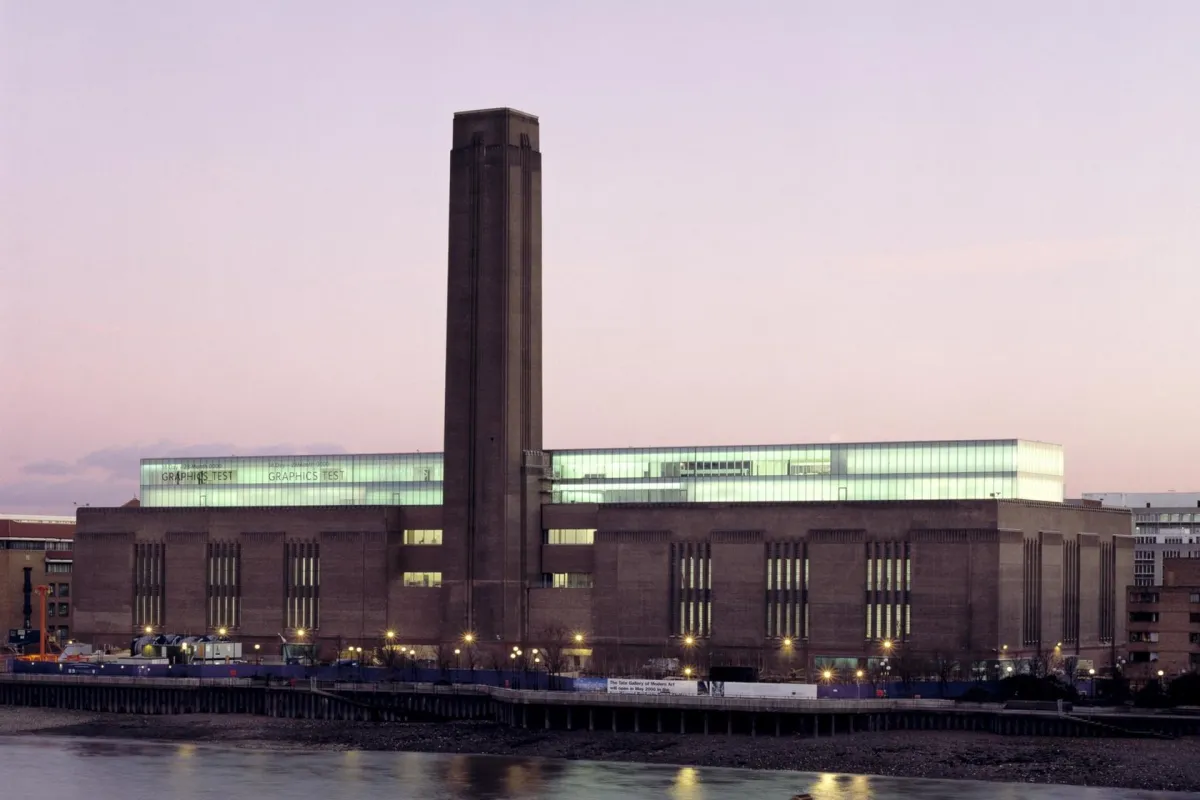 Photo: Tate Modern, via www.tate.org.uk
Strategic Engagement: Winning Hearts and Minds
Successful contemporary developments rarely emerge from adversarial planning processes. Instead, they result from careful relationship-building and strategic communication that addresses the underlying concerns of planning committees and local communities.
The most effective developers invest heavily in pre-application engagement, using visualisation technology and community consultation to build support before formal submission. This approach recognises that planning decisions are fundamentally political, influenced as much by public sentiment as technical compliance.
Architectural practices like Allford Hall Monaghan Morris and Mikhail Riches have mastered this consultative approach, creating contemporary buildings that win both critical acclaim and planning approval through careful attention to community concerns and contextual sensitivity.
The Power of Precedent and Narrative
Planning committees respond positively to proposals that can reference successful precedents, particularly those within their own authority boundaries. Contemporary developments that acknowledge local architectural heritage while proposing modern interpretations often prove more palatable than designs that ignore historical context entirely.
The narrative surrounding a development proves equally important. Projects positioned as catalysts for regeneration, employers of local labour, or contributors to civic pride face more favourable reception than those presented purely as commercial ventures. Developers who master this storytelling aspect of planning applications significantly improve their approval prospects.
Birmingham's Jewellery Quarter provides an excellent example of this approach. Contemporary residential developments have successfully integrated with Victorian industrial heritage by adopting complementary materials and proportions while maintaining distinctly modern architectural languages.
 Photo: Birmingham's Jewellery Quarter, via i.pinimg.com
Design Quality as Risk Mitigation
Counterintuitively, higher design quality often reduces planning risk rather than increasing it. Well-designed contemporary buildings demonstrate clear architectural logic and contextual awareness that planning committees can understand and support, while poorly conceived schemes—regardless of style—invite criticism and delay.
The Royal Institute of British Architects' design review process provides valuable third-party validation that can significantly strengthen planning applications. Schemes that achieve RIBA endorsement or Design Council recognition carry additional credibility that planning officers and committee members find reassuring.
This quality threshold explains why some contemporary developments sail through planning while others face protracted battles. The determining factor is rarely architectural style but rather the coherence and appropriateness of the design response to its specific context.
Regional Variations and Opportunity Mapping
Planning attitudes towards contemporary architecture vary significantly across Britain's local authorities. Progressive councils in cities like Edinburgh, Bristol, and Leeds have established track records of supporting innovative design, while more conservative authorities remain deeply sceptical of architectural experimentation.
Sophisticated developers map these regional variations carefully, tailoring their design approaches to match local planning cultures while gradually building portfolios of successful contemporary projects that can serve as precedents for future applications.
The emergence of design codes and local design guides provides additional insight into planning authority priorities. Councils that invest in sophisticated design guidance typically prove more receptive to well-considered contemporary proposals than those relying on generic policy frameworks.
The Long-Term Value Proposition
Beyond immediate planning considerations, contemporary architecture offers compelling long-term value propositions for both developers and occupiers. Buildings that capture the architectural spirit of their era typically age more gracefully than pastiche alternatives, maintaining relevance and desirability across multiple market cycles.
The rental markets for distinctive contemporary buildings often prove more resilient during economic downturns, as tenants prioritise unique environments over generic alternatives when making location decisions. This resilience translates into superior investment returns for developers willing to embrace architectural innovation.
Technology and Visualisation Tools
Advanced visualisation technology has revolutionised the planning application process, allowing developers to communicate design intent with unprecedented clarity. Virtual reality presentations and photorealistic renderings help planning committees understand how contemporary buildings will integrate with existing streetscapes, addressing concerns that traditional architectural drawings cannot resolve.
These technological tools prove particularly valuable for contemporary designs, which may appear stark or inappropriate in plan form but demonstrate clear contextual logic when experienced three-dimensionally. The investment in high-quality presentation materials often proves decisive in securing planning approval for innovative schemes.
The path to planning approval for contemporary architecture requires patience, skill, and strategic thinking. However, developers who master this process position themselves to capture the significant commercial premiums that distinctive design can command in Britain's increasingly sophisticated property markets.