Sacred Ground, Secular Opportunity: The Case for Britain's Ecclesiastical Development Pipeline
Sacred Ground, Secular Opportunity: The Case for Britain's Ecclesiastical Development Pipeline
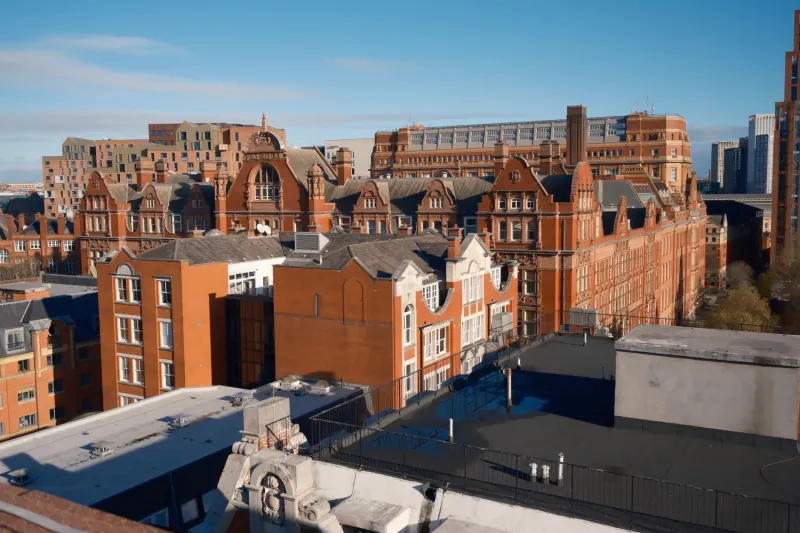
They stand at the hearts of Britain's towns and villages — stone-built, slate-roofed, and in many cases functionally redundant. Victorian chapels with soaring arched windows. Georgian rectories set within generous walled gardens. Mid-century church halls occupying prime urban plots that no private developer could acquire through conventional means. Each year, hundreds of these properties leave ecclesiastical ownership and enter the development market, creating a pipeline that is, by any measure, one of the most underappreciated opportunities in British property.
The Church of England alone has declared over 350 churches redundant in the past decade, with the pace of disposal showing little sign of slowing as congregations contract and maintenance liabilities mount. Add the holdings of the Catholic Church, the Methodist Church, the United Reformed Church, and a range of smaller denominations, and the aggregate volume of ecclesiastical property entering the market annually is substantial — and structurally distinct from any other development asset class.
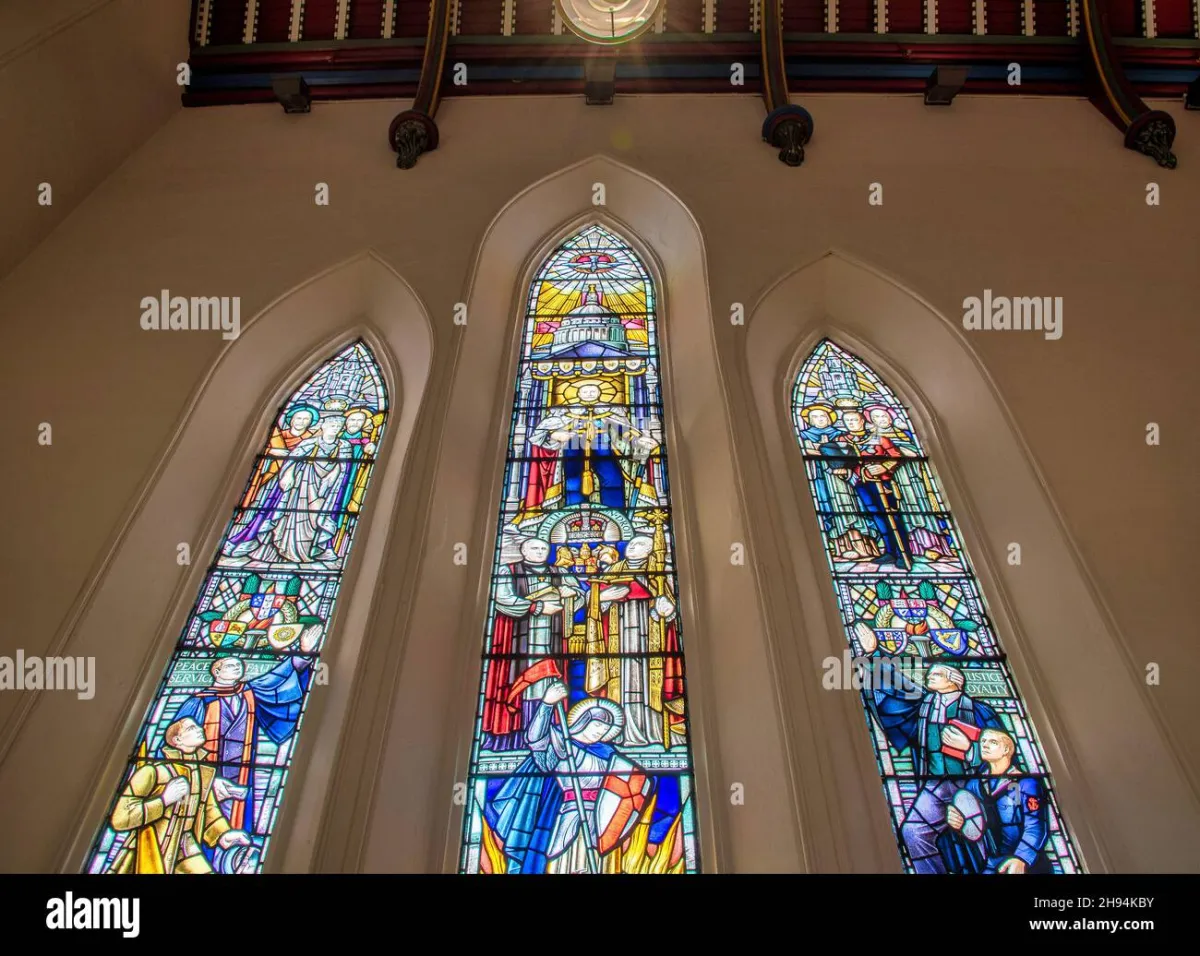 Photo: Church of England, via c8.alamy.com
Understanding the Ecclesiastical Vendor
Developing successfully on church land begins with understanding how ecclesiastical bodies operate as vendors — because they do not behave like conventional property owners.
The Church of England's disposal process is governed by the Mission and Pastoral Measure 2011, which requires that redundant churches be considered first for other Christian uses, then for community or cultural purposes, before secular development is permitted. This sequencing can extend the pre-acquisition phase considerably, and developers who approach ecclesiastical disposals expecting a conventional commercial transaction will frequently be frustrated by the pace and procedural formality involved.
That said, the Church Commissioners — who manage the Church of England's investment estate — are sophisticated and commercially aware counterparties when it comes to the disposal of non-church property such as vicarage gardens, redundant parish halls, and surplus glebe land. These transactions tend to proceed more efficiently and with greater flexibility than the disposal of consecrated buildings.
For other denominations, the picture varies. Methodist chapel disposals, for example, are typically managed by local circuit trustees, whose capacity and commercial experience can differ markedly from one circuit to another. Patience and clear communication are invariably prerequisites for successful negotiation.
The Planning Landscape for Ecclesiastical Conversions
Planning considerations for ecclesiastical sites are among the most nuanced in British development. Consecrated church buildings — particularly those that are listed — attract a degree of regulatory scrutiny that extends well beyond standard heritage considerations.
Listed building consent is required for any works affecting the character of a listed ecclesiastical building, and the involvement of Historic England is frequently triggered for Grade I and Grade II* structures. The Church of England operates its own parallel system of ecclesiastical exemption for buildings in active use, but this exemption falls away upon redundancy, at which point secular listed building controls apply in full.
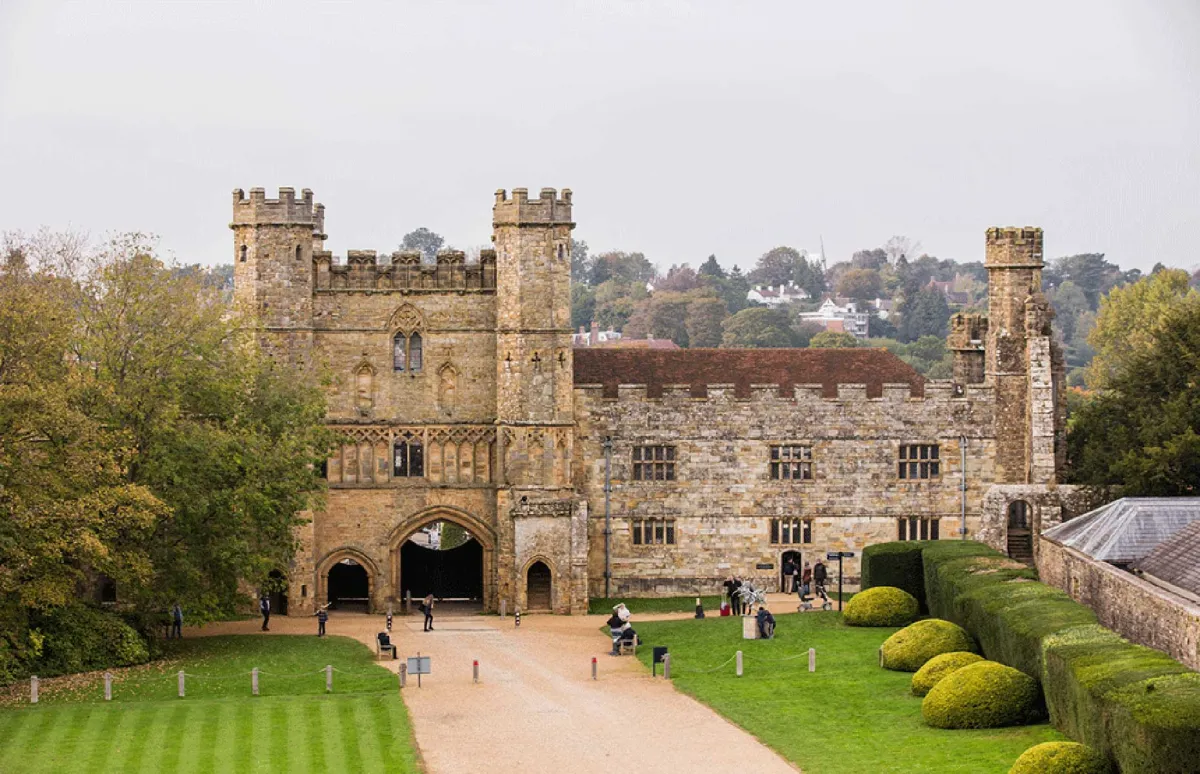 Photo: Historic England, via loveincstatic.blob.core.windows.net
Conversion to residential use — typically the most commercially attractive outcome — requires careful design work to demonstrate that the character of the building is preserved rather than compromised. Local planning authorities vary considerably in their appetite for residential conversion of former churches; some welcome it as a means of securing the long-term maintenance of a significant heritage asset, while others resist it on grounds of character or community loss.
Where a church building is unlisted, the planning pathway is generally more straightforward, though community sentiment can still play a decisive role in determining the outcome of an application. Former places of worship carry symbolic weight that few other building types possess, and planning committees are acutely sensitive to local opinion on their future use.
Structural Realities
The romance of converting a Victorian chapel into a collection of striking residential apartments is, for many developers, immediately compelling. The reality of what lies beneath the flagstones and behind the plasterwork requires rather more sober assessment.
Ecclesiastical buildings were constructed to very different standards and for very different purposes than residential accommodation. Foundations designed to support a largely static structural load — pews, congregation, and organ — may be poorly suited to the point loads imposed by modern floor plate insertions. Damp penetration in stone or brick structures can be extensive and expensive to remediate. Heating systems, where they exist at all, are typically primitive. Electrical installations are frequently non-compliant with current regulations.
Beyond the building envelope, the question of burials warrants particular attention. Many older churchyards contain human remains that may extend beneath the building itself, and any ground-level works — including the installation of drainage or ground-source heat systems — must be preceded by a thorough assessment of burial records and, where necessary, a Section 25 licence from the Ministry of Justice for the exhumation and reinterment of any remains disturbed.
 Photo: Ministry of Justice, via www.shutterstock.com
These are not insurmountable challenges, but they are material ones, and the development appraisal must reflect them honestly. Contingency provisions for ecclesiastical conversions should be set at a level that acknowledges the inherent unpredictability of working within buildings of this age and complexity.
The Community Dimension
Perhaps more than any other building type, former places of worship carry deep community associations that developers ignore at their peril. A Victorian chapel that has served as the focal point of a neighbourhood for 150 years will attract strong local feelings about its future — and those feelings are not always hostile to development, provided the approach is handled with sensitivity.
Engagement with the local community at the earliest possible stage — before planning applications are submitted, and ideally before design work is finalised — can transform the dynamics of a scheme. Where developers can demonstrate that the character and memory of a building are being honoured rather than erased, and where the design process actively incorporates local input, the planning pathway is typically smoother and the reputational outcome considerably more positive.
Some of the most successful ecclesiastical conversion projects in Britain have incorporated a community element — a retained meeting room, a publicly accessible garden, or a community café at ground floor level — that acknowledges the building's history while making the economics of residential conversion viable at upper levels. This approach requires creative design thinking and a willingness to accept a slightly reduced yield, but the planning and reputational benefits frequently justify the trade-off.
The Commercial Case
Set against these complexities, the commercial attraction of ecclesiastical sites remains compelling. The combination of architectural character, generous plot sizes, central or village-heart locations, and the relative scarcity of comparable product creates conditions in which well-executed conversions can command significant premiums over standard new-build equivalents.
Buyers of converted ecclesiastical properties — whether residential purchasers or commercial occupiers — are typically motivated by the irreplaceable quality of the space: the double-height volumes, the original stonework, the quality of natural light through period glazing. These are characteristics that cannot be replicated in conventional new-build construction, and in a market that increasingly values distinctiveness, they translate reliably into superior end values.
Rectory gardens and glebe land — the surplus grounds that often accompany ecclesiastical disposals — offer a further dimension of opportunity. Where planning consent can be secured for new-build residential development within these grounds, the combination of a converted principal building and a small new-build scheme within the same landholding can deliver returns that justify the additional complexity of the dual-use approach.
Britain's ecclesiastical property pipeline is neither widely publicised nor easily accessed. It demands patience, specialist knowledge, and a genuine willingness to engage with the unique character of each site on its own terms. For developers prepared to make that investment, however, the rewards — commercial, architectural, and reputational — are considerable. At HMS Developments, we believe that some of the most enduring projects are those that begin with a building worth preserving. The church, it turns out, may be one of Britain's most fertile development frontiers.