Brutalism Reborn: The Developer's Case for Britain's Most Misunderstood Buildings
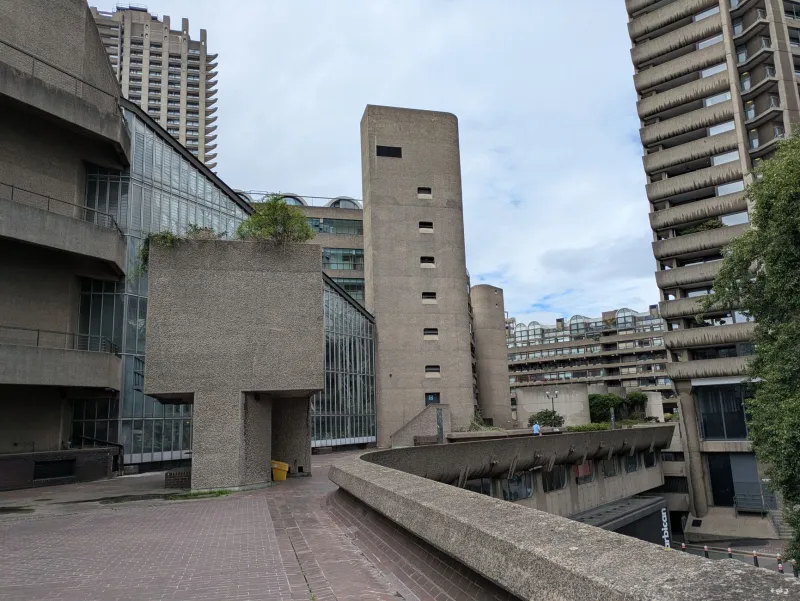
Reassessing the Unloved
There is no building type in Britain that has attracted more sustained public contempt than the brutalist structure. Conceived in the post-war decades as an architectural expression of civic ambition and social progress, these buildings — characterised by their exposed concrete, geometric massing, and uncompromising presence — became, in the popular imagination, shorthand for everything that had gone wrong with modernist planning. Car parks, council offices, civic centres, and university blocks: the brutalist canon was dismissed as brutal in more than name alone.
Yet something has shifted. Across Britain, a growing number of these structures are being reassessed — not merely by architectural historians or preservation campaigners, but by developers, investors, and the occupiers who ultimately determine whether a building has a future. The question is no longer simply whether brutalist buildings deserve to survive, but whether they represent a genuinely compelling development opportunity. Increasingly, the evidence suggests they do.
The Structural Argument
The financial case for brutalist conversion begins, perhaps counterintuitively, with physics. These buildings were constructed during an era when concrete was deployed with a confidence — some would say an excess — that produced structures of extraordinary robustness. Floor-to-ceiling heights are frequently generous by modern standards. Structural spans are wide, creating flexible floor plates that can be reconfigured without the constraints imposed by load-bearing internal walls. And the sheer mass of the construction means that these buildings have, in many cases, weathered decades of neglect in better structural condition than a superficial assessment might suggest.
For developers experienced in conversion work, this structural integrity is genuinely valuable. The cost of demolition and rebuild — particularly in an era of rising embodied carbon scrutiny and increasingly demanding sustainability requirements — frequently exceeds the cost of a sensitive refurbishment. When the existing structure is as robust as a well-built brutalist frame, the economic argument for retention becomes compelling, quite apart from any heritage or aesthetic considerations.
Carbonation of concrete — the gradual process by which atmospheric carbon dioxide reacts with the concrete matrix, potentially leading to corrosion of reinforcing steel — is a legitimate concern in older brutalist structures, and any serious developer will commission thorough structural surveys before committing to a scheme. However, many buildings of this era were constructed with sufficient concrete cover to resist significant carbonation, and remediation techniques have advanced considerably. The structural risk is manageable; it simply requires proper investigation.
Planning and Heritage: A Changing Conversation
The planning context for brutalist buildings has evolved substantially over the past decade. Historic England has progressively extended listed building protection to a growing number of structures from this period, recognising their architectural and cultural significance. This listing confers both constraint and opportunity: it restricts the scope for demolition or unsympathetic alteration, but it also provides a degree of protection that can make long-term investment more predictable.
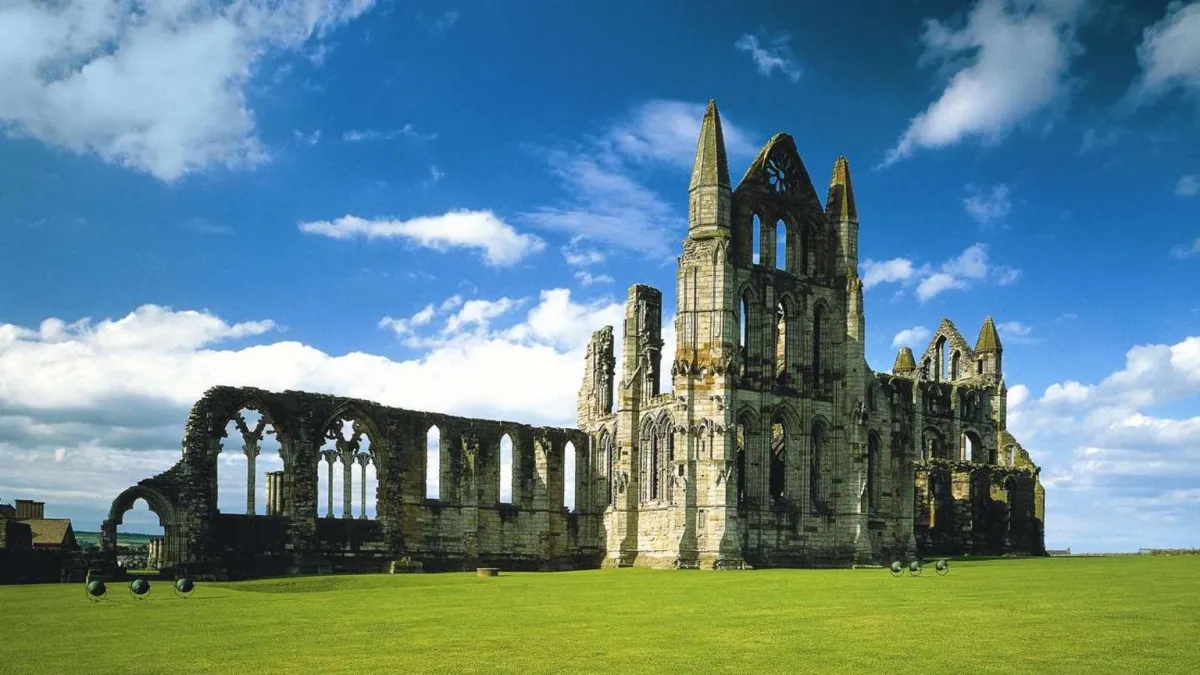 Photo: Historic England, via ichef.bbci.co.uk
For unlisted brutalist buildings, the planning picture is more variable. Where a local authority has identified a structure as a non-designated heritage asset, alterations will require careful justification. Where no such designation exists, developers have greater freedom — but also greater responsibility to engage constructively with communities that may have strong views, positive or negative, about the building's future.
The most successful brutalist conversion schemes have tended to share a common approach: deep engagement with the building's architectural logic, rather than an attempt to disguise or apologise for it. Schemes that retain and celebrate the exposed concrete, the dramatic geometries, and the spatial generosity of the original design tend to generate both planning support and market enthusiasm. Those that attempt to clad or conceal the building's character frequently satisfy neither the planning authority nor the eventual occupiers.
The Market Appetite
Perhaps the most significant development in this space is the emergence of a genuine occupier market for converted brutalist space. A generation of buyers and tenants — particularly in the creative, technology, and professional services sectors — has developed a sophisticated appreciation for the aesthetic qualities that were once considered liabilities. Double-height ceilings, exposed concrete soffits, oversized windows, and the sense of spatial drama that characterises the best brutalist interiors are now actively sought after by a cohort of occupiers willing to pay a premium for authenticity.
This demand is not confined to the commercial sector. Residential conversions of brutalist civic and commercial buildings have demonstrated strong sales performance in several UK cities. The Barbican in London — perhaps the most celebrated example of this typology — has long commanded premium values, but more recent conversions in cities including Birmingham, Sheffield, and Bristol have demonstrated that the appetite extends well beyond the capital. Buyers who might once have sought a period conversion in a Georgian terrace or a Victorian warehouse are now actively considering brutalist alternatives, drawn by the combination of distinctive character, urban location, and — frequently — more competitive pricing than comparable period stock.
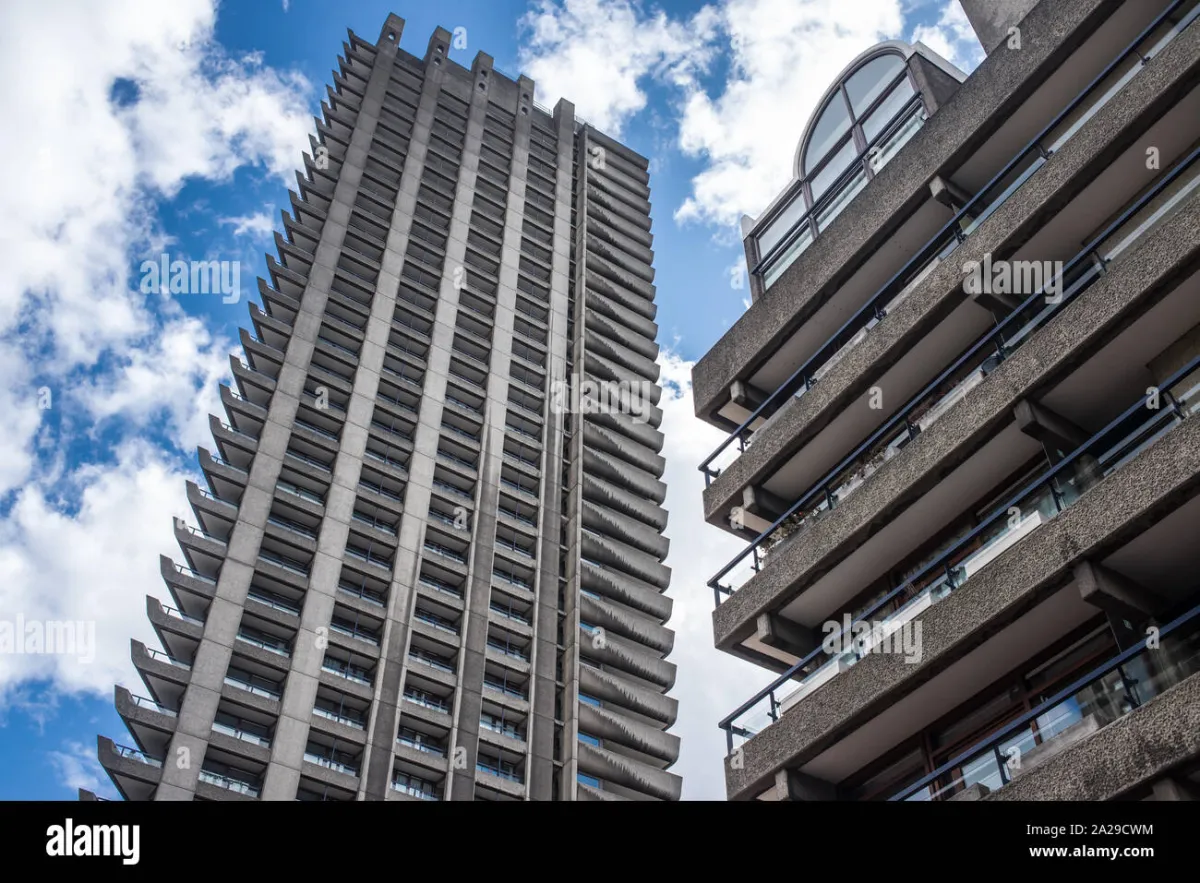 Photo: The Barbican, via c8.alamy.com
Profiling the Opportunity
The most promising targets for brutalist conversion share several characteristics. Location is paramount: buildings that occupy central urban sites, benefit from established transport connections, and sit within communities experiencing broader regeneration momentum offer the strongest fundamentals. The civic buildings of Britain's post-war reconstruction programme — town halls, libraries, arts centres, and university facilities — frequently occupy precisely these kinds of sites, having been deliberately placed at the heart of their communities.
Scale is also a consideration. Very large brutalist structures — multi-storey car parks, major civic complexes — present challenges of massing and programme that require substantial development expertise and capital. Smaller civic buildings, commercial blocks, and former institutional structures in the 2,000 to 10,000 square metre range offer a more accessible entry point, with planning processes that are typically more straightforward and capital requirements that are within reach of a wider range of developers.
The condition of the building fabric, and in particular the concrete envelope, will significantly influence the financial appraisal. Carbonation surveys, structural assessments, and a thorough understanding of the building services infrastructure — frequently life-expired in structures of this age — are essential prerequisites for any serious development appraisal.
Yesterday's Problem, Tomorrow's Address
Britain's brutalist buildings are, at their best, extraordinary spaces: generous, dramatic, structurally confident, and unmistakably of their moment. For too long, that moment was considered an embarrassment. The tide is turning, and with it, a development opportunity of genuine substance is becoming visible to those willing to look beyond the weathered concrete and the decades of accumulated stigma.
The developer who approaches a brutalist building not as a problem to be solved but as a structural and spatial asset to be unlocked will find, in many cases, that the market agrees. Britain's most misunderstood buildings may yet become its most talked-about addresses — and for those who act with conviction and skill, the financial rewards are likely to be as distinctive as the buildings themselves.