Britain's Urban Renaissance: Transforming Derelict Sites Into Tomorrow's Neighbourhoods
Britain's Urban Renaissance: Transforming Derelict Sites Into Tomorrow's Neighbourhoods
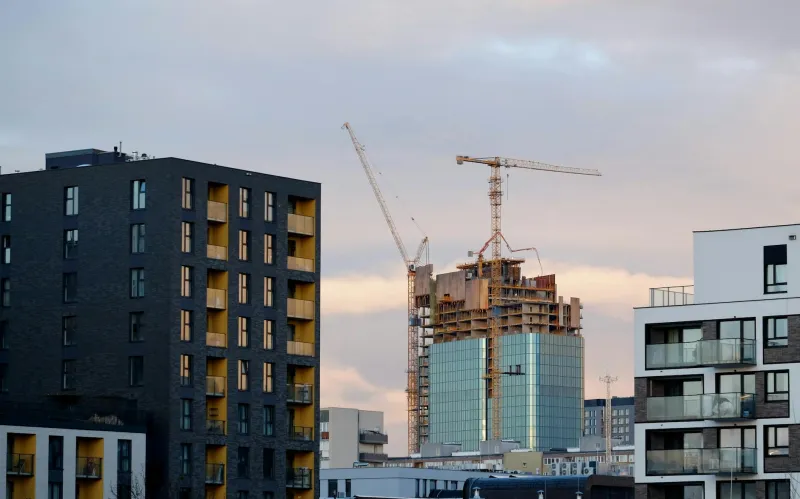
Across Britain's urban landscape, a remarkable transformation is taking place. Where once stood derelict factories, abandoned retail parks, and forgotten industrial sites, innovative property developers are creating the next generation of British communities. This brownfield renaissance represents more than mere construction—it embodies a fundamental shift towards sustainable development that honours our industrial heritage whilst meeting modern housing demands.
The Scale of Opportunity
The statistics paint a compelling picture. According to the Campaign to Protect Rural England, there are approximately 1.2 million homes' worth of suitable brownfield land across England alone. These sites, scattered throughout our towns and cities, represent an extraordinary opportunity to address Britain's housing shortage without encroaching upon precious green belt land.
Consider the transformation of Manchester's New Islington, where Victorian-era industrial buildings have been reimagined as contemporary residential developments. What was once a collection of disused warehouses and contaminated land has become a thriving neighbourhood, complete with waterside apartments, community spaces, and retail facilities. Such projects demonstrate the potential that lies dormant within our urban cores.
Government Support Drives Innovation
The Westminster government has recognised this potential through targeted financial incentives. The Brownfield Housing Fund, which provides £400 million to support development on previously developed land, has already catalysed numerous projects across England. This funding mechanism reduces the financial barriers that traditionally made brownfield development challenging, particularly the costs associated with site remediation and infrastructure provision.
Local authorities have also embraced this approach through streamlined planning processes. Many councils now offer expedited planning approval for brownfield developments that meet specific criteria, recognising that such projects align with both housing delivery targets and environmental objectives.
Engineering Solutions for Complex Challenges
Brownfield development requires sophisticated technical expertise. Former industrial sites often present challenges including soil contamination, unstable ground conditions, and existing infrastructure that must be carefully managed or removed. However, modern engineering solutions have made previously impossible projects economically viable.
Advanced soil remediation techniques can now address even severe contamination issues, whilst innovative foundation systems enable construction on previously unsuitable ground. These technological advances have opened up development opportunities that would have been prohibitively expensive just a decade ago.
Mixed-Use Communities: A Holistic Approach
The most successful brownfield developments embrace mixed-use principles, combining residential accommodation with commercial space, community facilities, and green infrastructure. This approach creates self-sustaining neighbourhoods that reduce reliance on transport whilst fostering community cohesion.
The redevelopment of London's King's Cross exemplifies this philosophy. What began as a vast railway wasteland has evolved into a diverse district housing thousands of residents alongside major employers, cultural institutions, and recreational facilities. The project demonstrates how thoughtful planning can create places where people genuinely want to live and work.
Environmental Benefits Beyond Housing
Brownfield development delivers significant environmental advantages. By utilising previously developed land, these projects preserve countryside and green belt areas whilst often improving local environmental conditions. Many former industrial sites benefit from remediation that removes contamination and introduces green infrastructure.
Sustainable drainage systems, integrated renewable energy, and biodiversity enhancement are increasingly standard features of modern brownfield developments. These elements not only meet regulatory requirements but create more attractive and resilient communities.
Investment Opportunities and Market Dynamics
From an investment perspective, brownfield regeneration offers compelling opportunities. Properties in well-designed regeneration areas often experience above-average capital appreciation as the surrounding area develops and matures. The combination of government support, planning advantages, and growing demand for sustainable housing creates favourable market conditions.
However, investors must carefully evaluate potential risks, including remediation costs, planning complexities, and longer development timescales. Partnering with experienced developers who understand these challenges is essential for successful outcomes.
Looking Forward: The Next Decade
As Britain continues to grapple with housing shortages and environmental challenges, brownfield development will become increasingly important. The government's commitment to building 300,000 new homes annually cannot be achieved through greenfield development alone—brownfield sites must play a central role.
Emerging technologies, including advanced construction methods and smart infrastructure systems, will further enhance the viability and attractiveness of brownfield developments. These innovations promise to reduce costs, improve quality, and create more sustainable communities.
Conclusion
The transformation of Britain's brownfield sites represents both necessity and opportunity. As we face the twin challenges of housing shortage and environmental protection, these forgotten urban spaces offer solutions that serve multiple objectives simultaneously.
For developers, investors, and communities alike, brownfield regeneration presents a chance to participate in Britain's urban renaissance. By reimagining these spaces, we can create the sustainable, connected communities that will define British living for generations to come.
The journey from dereliction to destination requires vision, expertise, and commitment. However, the rewards—both financial and social—justify the effort. Britain's brownfield sites are not problems to be solved but opportunities to be seized.