Beyond the Boundary: Reassessing England's Green Belt Strategy in an Era of Housing Shortage
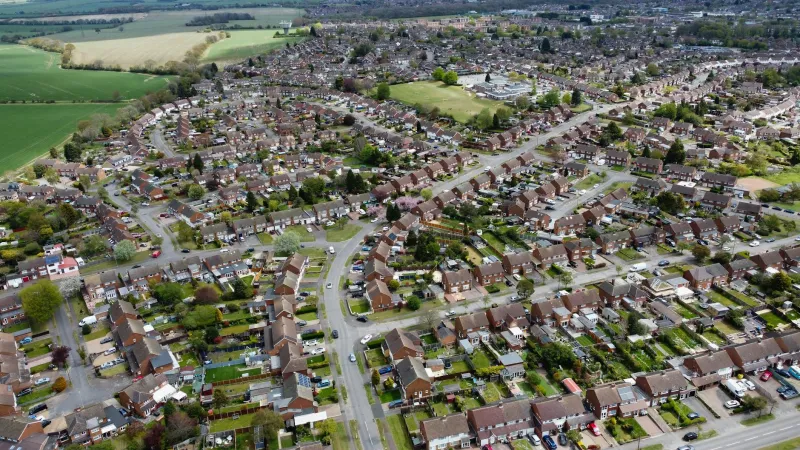
The Green Belt Paradox
England's green belt policy, conceived in the 1940s as a bulwark against urban sprawl, now finds itself at the epicentre of Britain's most pressing planning debate. With housing delivery falling consistently short of government targets and affordability reaching crisis levels across much of the country, the question is no longer whether green belt boundaries should remain inviolate, but rather how we balance conservation principles with contemporary housing needs.
The statistics paint a stark picture. England requires approximately 300,000 new homes annually, yet delivery has rarely exceeded 250,000 units in recent years. Meanwhile, green belt designations cover roughly 1.6 million hectares—13% of England's total land area—much of which bears little resemblance to the bucolic countryside the policy was designed to protect.
Historical Context and Modern Realities
When green belts were first established, Britain's population stood at 43 million. Today, it exceeds 56 million, with projections suggesting continued growth driven by demographic changes and immigration patterns. The policy's original architects could scarcely have envisaged the scale of housing demand that would emerge in the 21st century.
Moreover, the nature of green belt land itself has evolved significantly. Large swathes now comprise former industrial sites, intensive agriculture, or degraded landscapes that contribute minimally to biodiversity or recreational value. A recent analysis by the Campaign to Protect Rural England found that 22% of green belt land could be classified as previously developed, challenging assumptions about its inherent environmental worth.
The Developer's Dilemma
For property developers, green belt restrictions represent both a commercial constraint and a planning reality that shapes strategic decision-making. The policy effectively channels development pressure towards brownfield sites within existing urban boundaries, often increasing costs and complexity whilst limiting the scope for comprehensive masterplanning.
This dynamic has created what planning experts term the "green belt premium"—artificially inflated land values within designated boundaries that make housing development economically challenging. Conversely, land immediately beyond green belt boundaries commands significantly higher values, creating perverse incentives that can encourage leapfrog development patterns.
Community Perspectives and Local Democracy
Local opposition to green belt release remains formidable, reflecting deep-seated concerns about infrastructure capacity, environmental impact, and community character. Recent consultation exercises across multiple local authorities have demonstrated the intensity of feeling surrounding proposed boundary alterations.
However, community attitudes are not monolithic. Younger demographics, particularly those struggling to access homeownership, increasingly question whether blanket protection serves their interests. Housing association surveys suggest growing support for selective green belt release when linked to genuinely affordable housing provision.
Alternative Approaches and International Comparisons
Several European countries have adopted more flexible approaches to urban containment that merit consideration. The Netherlands' "green heart" concept allows for strategic development corridors whilst maintaining core environmental assets. Germany's regional planning system incorporates regular boundary reviews based on demographic projections and housing need assessments.
Closer to home, Scotland's planning system eschews formal green belt designations in favour of countryside protection policies that can be more readily adjusted to accommodate development needs. This approach has facilitated higher per-capita housing delivery rates whilst maintaining landscape quality.
Economic Implications and Infrastructure Investment
The economic case for selective green belt release extends beyond housing provision. Strategic development can generate significant infrastructure investment, including transport improvements, schools, and healthcare facilities that benefit existing communities. The government's recent emphasis on "beautiful" development standards suggests recognition that well-designed green belt schemes could enhance rather than detract from local environments.
Furthermore, the Treasury's analysis indicates that housing constraints in high-productivity areas—many of which are heavily green belt constrained—may be suppressing national economic growth by limiting labour mobility and business expansion opportunities.
Towards a Nuanced Solution
Rather than wholesale abandonment or rigid preservation, England requires a more sophisticated approach to green belt management. This might encompass regular boundary reviews based on objective criteria, differentiated policies for different types of green belt land, and enhanced protection for areas of genuine environmental or recreational value.
The concept of "green belt swaps"—releasing lower-quality sites whilst enhancing protection for more valuable areas—offers potential for maintaining overall green belt coverage whilst accommodating essential development. Similarly, policies requiring exceptional design standards and community benefit provision could help secure local support for carefully selected schemes.
Conclusion: Balancing Heritage and Progress
The green belt debate ultimately reflects broader tensions between conservation and progress that characterise contemporary British planning. Whilst the policy's contribution to urban containment and landscape protection cannot be dismissed, its blanket application may be hindering solutions to England's housing crisis.
A mature democracy should be capable of nuanced policy-making that recognises both the value of environmental protection and the legitimate aspirations of younger generations seeking housing security. The challenge lies in developing planning frameworks sophisticated enough to distinguish between green belt land that merits absolute protection and areas where carefully managed development could serve broader societal needs.
For HMS Developments and others committed to building Britain's future, this debate represents both an opportunity and a responsibility. By demonstrating how exceptional design and community engagement can create developments that enhance rather than compromise their surroundings, the industry can help forge a path beyond the current impasse towards a more balanced and effective approach to land use planning.