Beneath the Surface: Britain's Subterranean Development Revolution Creates Premium Value from Constrained Urban Sites
The Underground Imperative
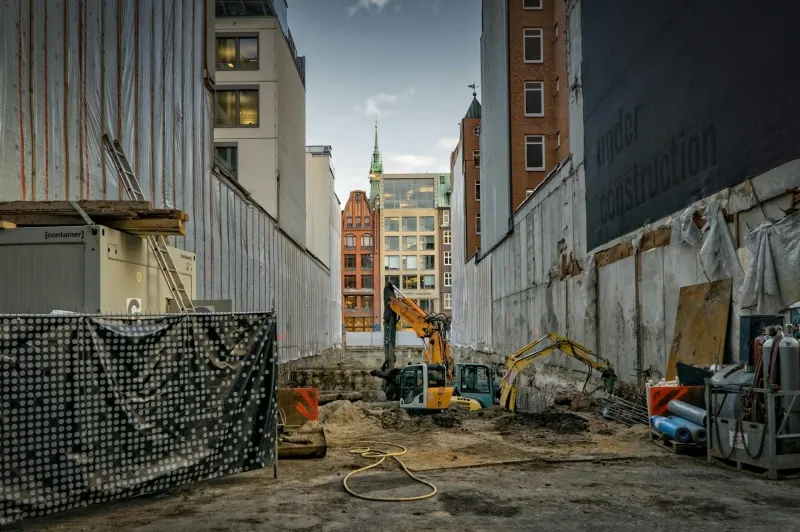
Britain's urban landscape presents an increasingly complex puzzle for property developers. With planning authorities restricting upward extensions and available building plots becoming scarcer, the solution lies not in reaching skyward, but in excavating downward. Basement conversions represent one of the most significant untapped opportunities in contemporary British property development, offering substantial returns whilst navigating the constraints of dense urban environments.
The mathematics are compelling. In prime London boroughs such as Kensington and Chelsea, basement extensions can add £1,000 to £2,000 per square foot in property value, whilst construction costs typically range between £400 to £800 per square foot. This differential creates substantial equity gains that justify the complex engineering and regulatory processes involved.
Navigating the Regulatory Framework
The planning landscape for subterranean development has evolved considerably over recent years. Local authorities, particularly in London, have implemented increasingly sophisticated policies governing basement conversions following concerns about structural integrity and neighbourhood disruption. The City of Westminster's basement policy, implemented in 2016, exemplifies this regulatory evolution, requiring comprehensive structural assessments and limiting excavation depths.
Permitted development rights rarely apply to basement conversions, necessitating full planning applications in most circumstances. Successful applications typically require detailed structural engineering reports, flood risk assessments, and comprehensive construction management plans. The process demands considerable technical expertise, but the rewards justify the investment in professional guidance.
Developers must also navigate party wall agreements when excavating near neighbouring properties. These legal frameworks, whilst sometimes contentious, provide essential protection for all parties and ensure development proceeds without compromising structural integrity of adjacent buildings.
Engineering Excellence Underground
Subterranean construction presents unique technical challenges that distinguish it from conventional development. Waterproofing represents perhaps the most critical consideration, particularly in areas with high water tables or proximity to rivers. Modern tanking systems, incorporating both internal and external waterproofing membranes, provide robust protection against moisture ingress.
Structural engineering considerations extend beyond simple excavation. The temporary works required during construction often prove as complex as the permanent structures themselves. Underpinning existing foundations, installing steel reinforcement systems, and managing ground stability require specialist contractors with proven subterranean expertise.
Soil conditions vary dramatically across British urban centres. London's clay subsoil provides relatively stable excavation conditions, whilst areas with sandy or waterlogged ground present additional challenges. Comprehensive ground investigations inform design decisions and construction methodologies, ensuring projects proceed efficiently and safely.
Premium Spaces, Premium Returns
The most successful basement conversions transcend simple additional accommodation, creating genuinely premium spaces that command exceptional market values. Home cinemas, wine cellars, gymnasium facilities, and spa areas represent popular applications that justify significant investment.
In Manchester's Northern Quarter, a Victorian warehouse conversion incorporated a 2,000 square foot basement level featuring a swimming pool and entertainment complex. The subterranean addition increased the property's value by 35%, whilst providing unique amenities impossible to achieve through conventional extension.
Lighting and ventilation strategies prove crucial in creating desirable underground spaces. Light wells, advanced LED systems, and mechanical ventilation ensure basement areas feel spacious and comfortable rather than confined. Some developments incorporate sophisticated mirror and glass systems to reflect natural light throughout subterranean levels.
Commercial Applications and Mixed-Use Opportunities
Whilst residential basement conversions attract considerable attention, commercial applications offer equally compelling opportunities. Restaurant operators particularly value basement spaces for wine storage, food preparation, and private dining facilities. Retail developments utilise subterranean levels for stock storage, reducing ground-floor rental requirements whilst maintaining operational efficiency.
Mixed-use developments increasingly incorporate basement parking, addressing urban transport challenges whilst maximising above-ground development potential. These solutions prove particularly valuable in city centre locations where parking provision significantly influences development viability.
Market Dynamics and Investment Considerations
Subterranean development costs vary significantly based on site conditions, excavation depth, and finish specifications. Basic basement conversions commence around £200,000 for modest residential extensions, whilst comprehensive commercial excavations may exceed £1 million. However, these investments typically generate returns exceeding 200% in prime urban locations.
Construction timeframes generally span 6-12 months, depending on complexity and weather conditions. Developers must factor potential delays from unforeseen ground conditions or planning complications. Professional project management becomes essential given the technical complexity and coordination requirements.
Future Prospects for Underground Development
Britain's subterranean development sector continues evolving rapidly. Technological advances in excavation techniques, waterproofing systems, and environmental controls reduce costs whilst improving quality. Modular basement construction systems, pioneered in Germany and Scandinavia, are beginning to appear in British markets, potentially revolutionising delivery timeframes.
Planning policies are adapting to recognise basement conversions as legitimate responses to urban housing pressures. Forward-thinking local authorities are developing streamlined approval processes for well-designed subterranean developments that enhance rather than compromise existing neighbourhoods.
As urban land values continue rising and development opportunities become increasingly constrained, basement conversions will assume greater importance in Britain's property development landscape. For developers willing to navigate the technical and regulatory complexities, the underground realm offers exceptional opportunities to create value from previously unusable space.